
Bangkok is enormous and its traffic is famous, so the district you sleep in determines how much of your trip you spend in a taxi. Choose the area first and the hostel second — the reverse is how people end up on Khao San making 45-minute journeys to everything.
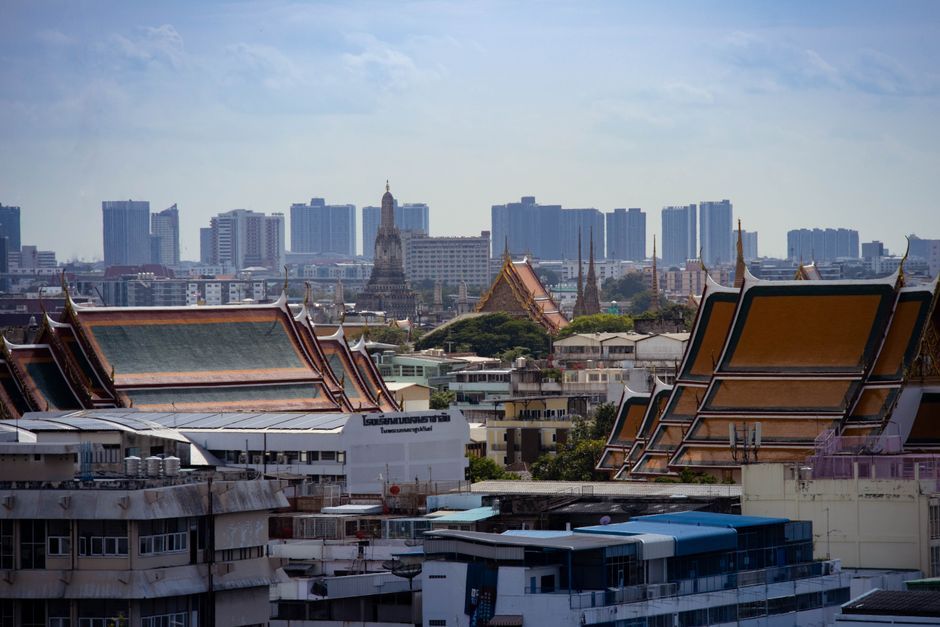
The districts
| Area | Transport | Noise | Suits |
|---|---|---|---|
| Khao San / Banglamphu | No BTS/MRT | Very high | First night, party |
| Rambuttri / Phra Athit | No BTS/MRT | Moderate | Old city, calmer |
| Silom / Sathorn | BTS + MRT + airport link | Moderate | Getting around |
| Sukhumvit | BTS the whole length | Varies | Comfort, nightlife |
| Riverside | Boat + BTS at Saphan Taksin | Low | Temples, atmosphere |
| Ari | BTS | Low | Longer stays, local feel |
Khao San, honestly
It is the backpacker landmark and it is worth walking down once. As a base it has one disqualifying problem: it is not on the rail network. Everything else in Bangkok — Sukhumvit, Silom, the malls, the modern city — is a taxi ride through traffic away.
It is also loud. Bars run until 2am directly under hostel windows, and the street is a permanent sound system.
What most experienced travellers do instead: stay two streets away on Rambuttri or Phra Athit. Same proximity to the Grand Palace and the river, considerably quieter, and better food. You can still walk to Khao San in four minutes when you want it.
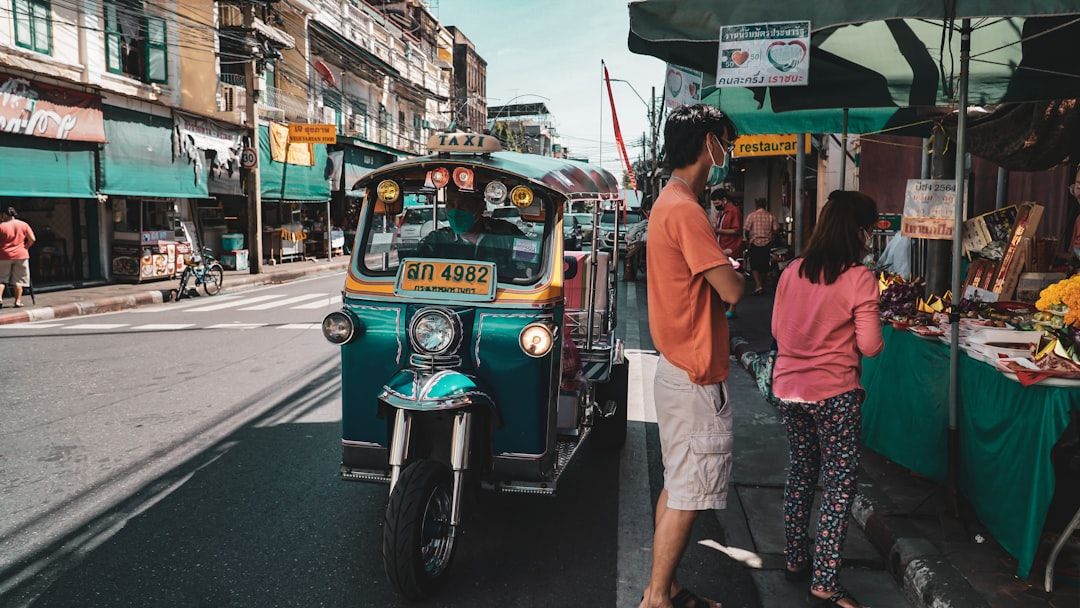
Silom and Sathorn — the practical choice
This is where I would tell a first-timer to stay. The BTS and MRT cross here, the airport rail link connects at Phaya Thai, and the river boat pier at Saphan Taksin is on the BTS — which means the old city temples are a pleasant boat ride rather than a traffic jam.
By day it is the financial district; by night the street food on Convent Road and the Silom night markets take over. Patpong is here too if you want it, and easily avoided if you do not.
Sukhumvit
A very long road with a BTS line running its length, so "Sukhumvit" means different things at different stations. Nana and Asok are the nightlife end and are loud and heavily oriented toward a particular kind of tourism. Thong Lo and Ekkamai further east are where young Bangkok actually goes — good bars, better restaurants, quieter streets.
Good hostels throughout, and the easiest area for modern comfort.
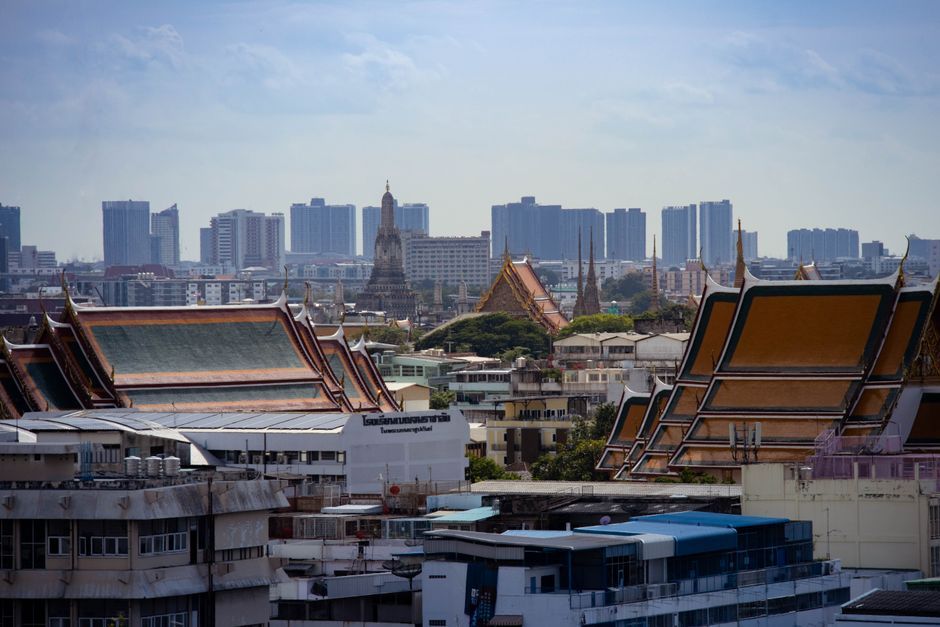
Riverside and Chinatown
The riverside near Saphan Taksin is underrated for backpackers: the Chao Phraya express boat is cheap, scenic and beats traffic entirely, and you are close to Chinatown's street food.
Chinatown itself has a growing set of design hostels in old shophouses. It is loud in a different way from Khao San — this is market and kitchen noise rather than bar noise — and the eating is the best in the city.
Ari, for longer stays
Two BTS stops north of Victory Monument, residential, full of independent cafés and restaurants, almost no other travellers. Not the choice for three nights of sightseeing; the right choice if you are staying two weeks and want to live somewhere.
What to check in the listing
Distance to a BTS or MRT station, measured on a map yourself. Ten minutes' walk in Bangkok heat with a pack is not the same as ten minutes elsewhere.
Air conditioning in the dorm, not just the common area. This is non-negotiable from March to May.
Whether the bar is in the building. Bangkok hostels frequently have rooftop bars, which is lovely unless your dorm is on the floor below.
Pod-style dorms with curtains and individual lights are common here and cost barely more than open bunks. Take them.