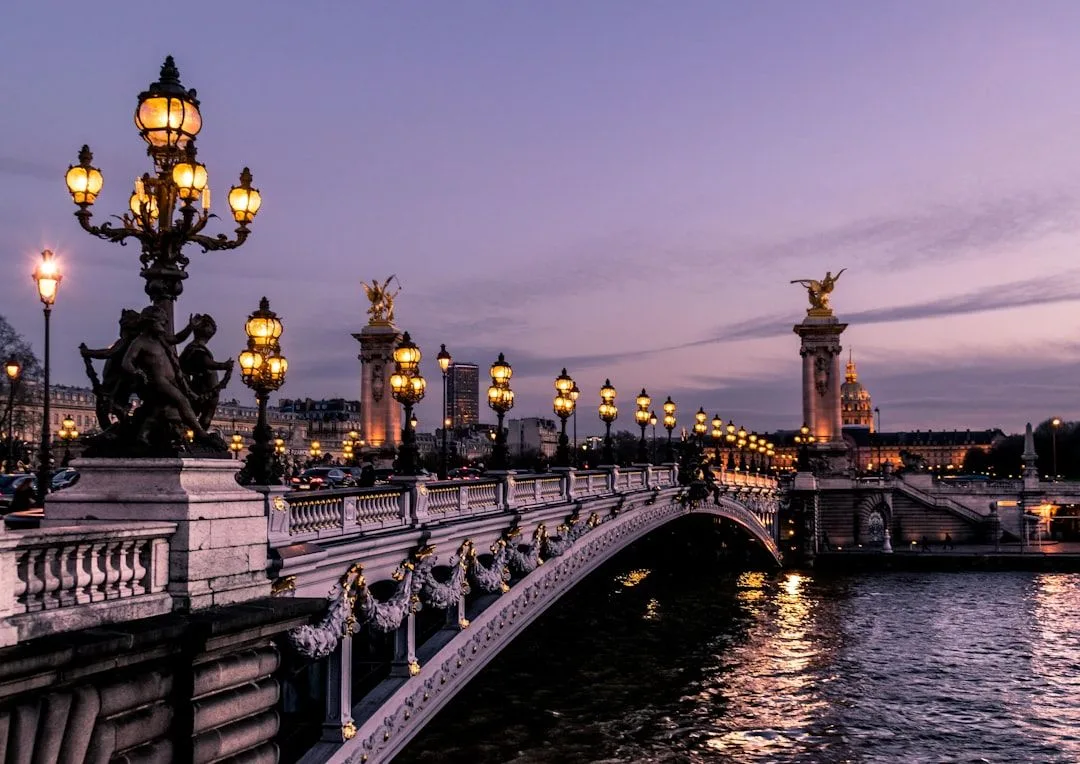
France maintains the densest network of waymarked long-distance paths in Europe — the Sentiers de Grande Randonnée, marked with a red and white stripe, running to tens of thousands of kilometres. For a backpacker that means you can walk for a week or a month without ever needing to navigate off-piste.
These seven cover the range.
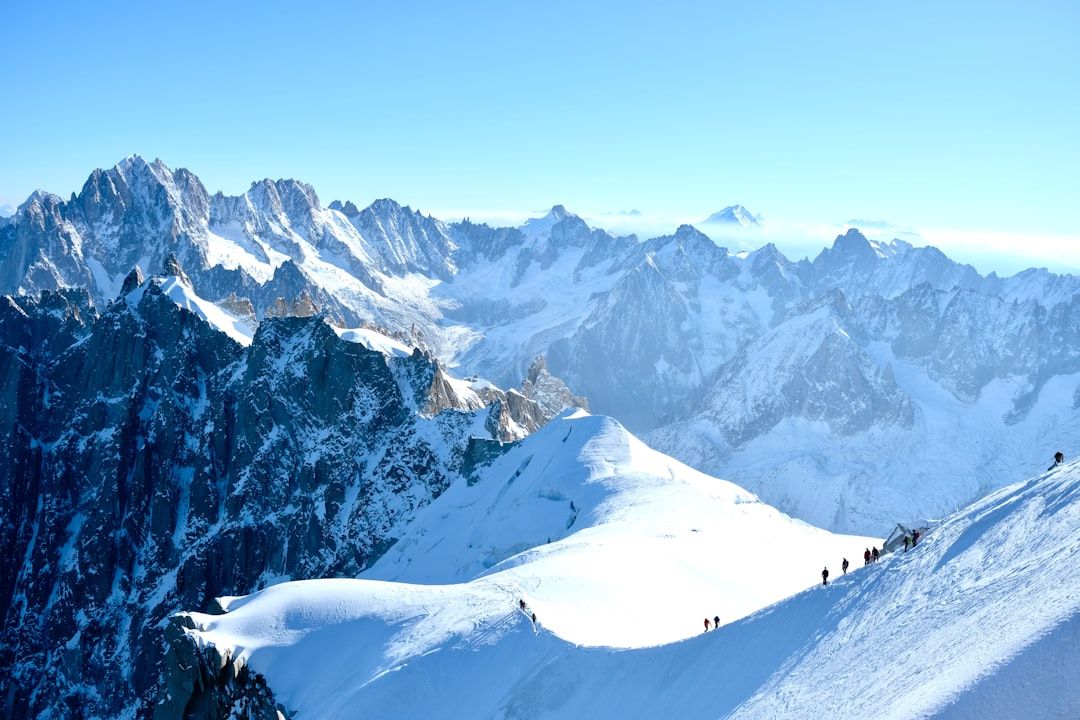
1. Tour du Mont Blanc
The famous one, and deservedly. Roughly 170km in a loop through France, Italy and Switzerland around the Mont Blanc massif, usually walked in ten or eleven days.
It is not technical, but the daily ascent is substantial and it is busy — refuges book out months ahead for July and August. Sleeping in mountain huts is part of the experience and largely unavoidable, since camping is restricted along much of the route.
2. GR20, Corsica
The hardest waymarked trail in Europe by common consent. About 180km along the spine of Corsica, typically fifteen days, over rock rather than path for long stretches, with chains and scrambling in places.
Do not make this your first long walk. Do it after a season on something else, in June or September rather than the August heat.
3. GR10, the Pyrenees
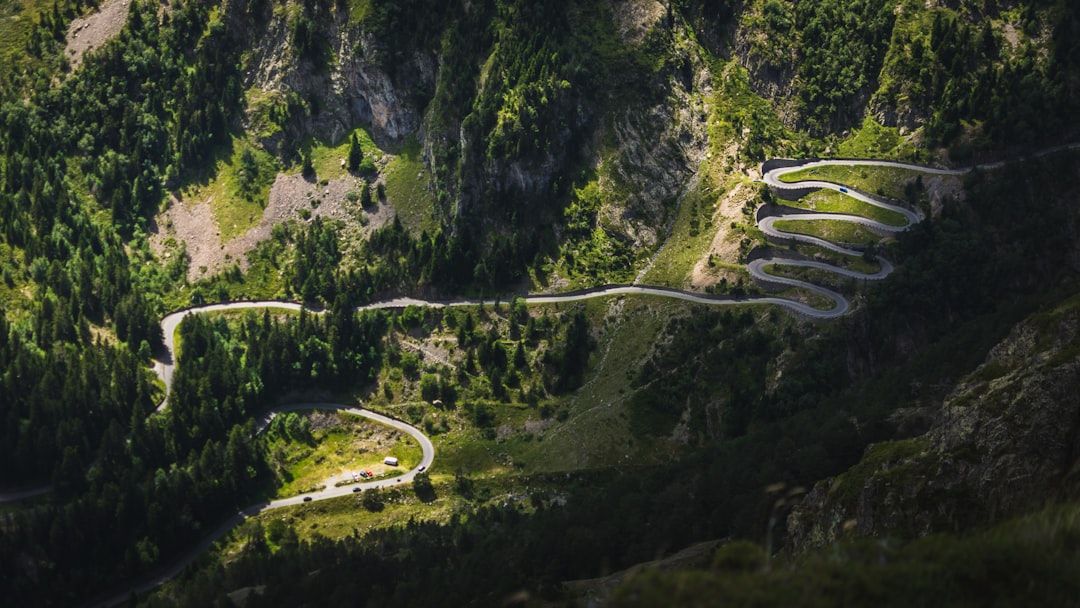
Atlantic to Mediterranean across the French Pyrenees — around 900km and roughly fifty days for the full traverse, though most people walk a two-week section.
Quieter than the Alps, more varied, and with a stronger sense of remoteness. Villages are spaced far enough apart to require planning food, and the weather on the Atlantic end is markedly wetter.
4. GR65, the Chemin du Puy
The main French branch of the pilgrimage route to Santiago, from Le Puy-en-Velay to the Spanish border — about 750km, a month at a steady pace.
Completely different in character: farmland, villages, and a well-developed infrastructure of gîtes d'étape where you sleep in a bed and eat a communal dinner. It is the sociable option, and the one that works in spring and autumn when the mountains are closed.
5. GR5, the Alpine traverse
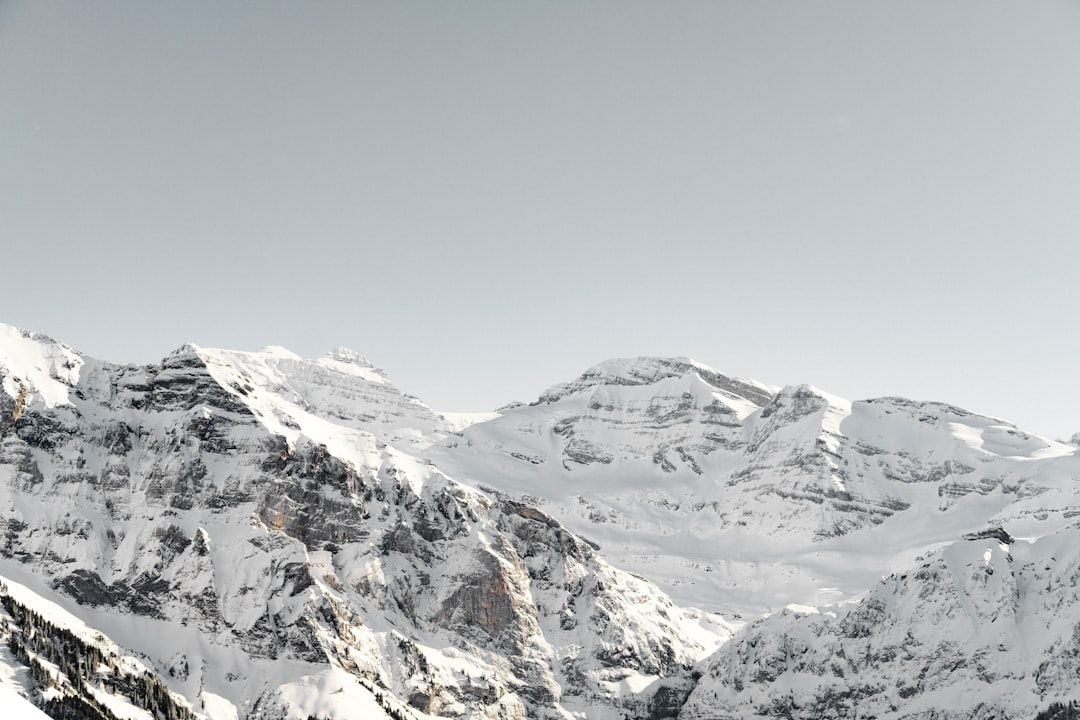
Lake Geneva to Nice through the French Alps, around 650km. Less crowded than the Tour du Mont Blanc, more sustained, and it ends at the Mediterranean, which is a good ending for a long walk.
Three to four weeks for the full run; the Vanoise and Mercantour sections stand alone well as one-week trips.
6. GR34, the Brittany coast path
The old customs officers' path around the Breton coastline — over 2,000km in total, and almost entirely flat.
The appeal is that it is walkable year-round, needs no altitude planning, and passes through villages daily. Weather is the variable rather than terrain. A good first long-distance walk.
7. GR54, the Tour of the Écrins
A demanding loop in the Écrins national park, around 175km in ten to twelve days, with more ascent per kilometre than the Tour du Mont Blanc and a fraction of the people.
The right choice for someone who wants alpine scale without the queues, and who is comfortable with long days and high passes.
Practicalities
Refuges in the high mountains are staffed roughly late June to mid September, and outside that window winter rooms are unstaffed and unequipped. Book ahead on the popular routes; half board is normal and worth taking because carrying a fortnight of food is not.
Wild camping is restricted rather than forbidden. In national parks it is usually limited to bivouac near refuges between dusk and dawn. Rules differ by park, so check the specific one rather than a general guide, including this one.
The IGN 1:25,000 maps are excellent and worth carrying in paper for the mountain routes, whatever you have on your phone.