Vietnam is 1,650 km long and about 50 km wide at its narrowest, with one railway and one highway running the length of it. That geography does your route planning: you go north to south or south to north, stopping along the spine, and the only real decision is which direction.
Direction and season
Vietnam has three climates and they do not align. In December to February the north is genuinely cold and damp — Hanoi at 12°C and grey surprises people — while the south stays hot. Start north, finish warm.
In May to August the south and centre are in wet season while the north is pleasant. Start south.
Fly into one end and out of the other. Hanoi and Ho Chi Minh City both have good international connections and open-jaw tickets cost about the same as returns.
The stops
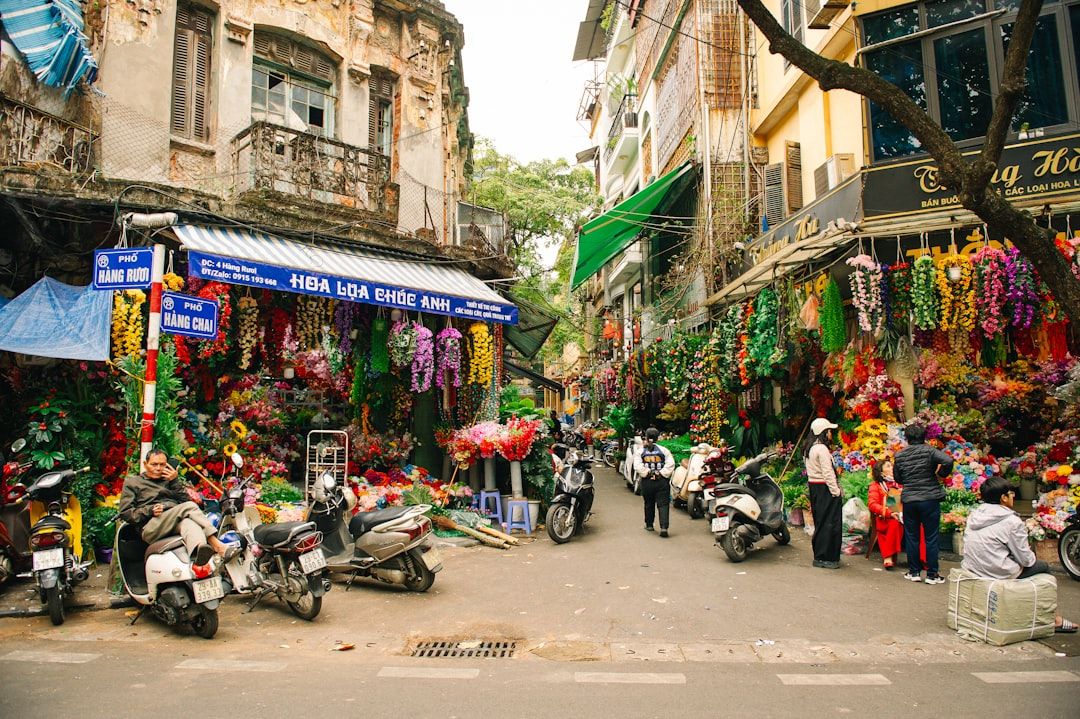
Hanoi. The Old Quarter is dense, loud and the best introduction to the country. Two to three days. Egg coffee, bia hoi on the street corners at 20 cents a glass, and the traffic lesson: walk slowly and predictably and the motorbikes flow around you.
Ha Giang. The far north, and increasingly the highlight of the whole trip. A three or four day motorbike loop through limestone mountains near the Chinese border. If you cannot ride, hire an easy rider — a local driver you sit behind. Do this rather than skipping it.
Ha Long Bay or Cat Ba. Overnight boat trips from Hanoi. Cat Ba island and the quieter Lan Ha Bay are better value and less crowded than the main Ha Long circuit.
Ninh Binh. Two hours south, limestone karsts rising out of rice paddies, cycled between. A day or two.
Hue. The imperial citadel and the royal tombs along the river. One or two days.
Hoi An. Lantern-lit old town, tailors who will make a suit in two days, and a beach nearby. Touristy and still lovely. Three days.
Da Lat. Inland and up, cool pine forest, waterfalls and canyoning. The change of temperature is a relief mid-trip.
Ho Chi Minh City. Faster and more commercial than Hanoi. The War Remnants Museum is confronting and worth it; the Cu Chi tunnels are the standard half-day trip.
The Mekong Delta. Two days from HCMC, floating markets and river life. Go to Can Tho rather than the day-trip towns closer to the city.
Transport
| Leg | Mode | Time | Cost |
|---|---|---|---|
| Hanoi → Ninh Binh | Train | 2.5h | ~70,000₫ |
| Hanoi → Hue | Sleeper train | ~13h | 600–900,000₫ |
| Hue → Da Nang | Train (scenic) | 3h | ~120,000₫ |
| Da Nang → Nha Trang | Sleeper train | ~10h | 500–800,000₫ |
| Da Lat → HCMC | Sleeper bus | ~7h | 250–350,000₫ |
The Hue to Da Nang leg in daylight is the one not to skip — the line runs over the Hai Van Pass with the sea directly below. Sit on the right heading south.
Money
$25–35 a day is comfortable. Private rooms at 300,000–500,000₫ mean dorms are barely worth it. Street food is 40,000–70,000₫ a meal and is the best eating in the country — banh mi, pho, bun cha in Hanoi, cao lau in Hoi An, banh xeo in the south.
Vietnam is still substantially cash-based outside the cities. Domestic QR payments need a local bank account, so as a visitor you are on cash and ATM withdrawals.
Two warnings
The e-visa is not optional. Apply online before you leave. Turning up at a land border from Laos or Cambodia without one goes badly.
Motorbikes. Vietnam has one of the highest road fatality rates in the world, and most travel insurance excludes motorbike accidents unless you hold a licence valid for that engine size at home. The Ha Giang loop with an easy rider costs about $60 a day and removes the entire risk.