
Thailand is the easiest country in Southeast Asia to travel and the easiest to plan badly. It is long — well over a thousand kilometres from Chiang Mai to the southern islands — and the two halves are different trips. The common two-week itinerary tries to include both and spends four days moving.
Bangkok, and how long
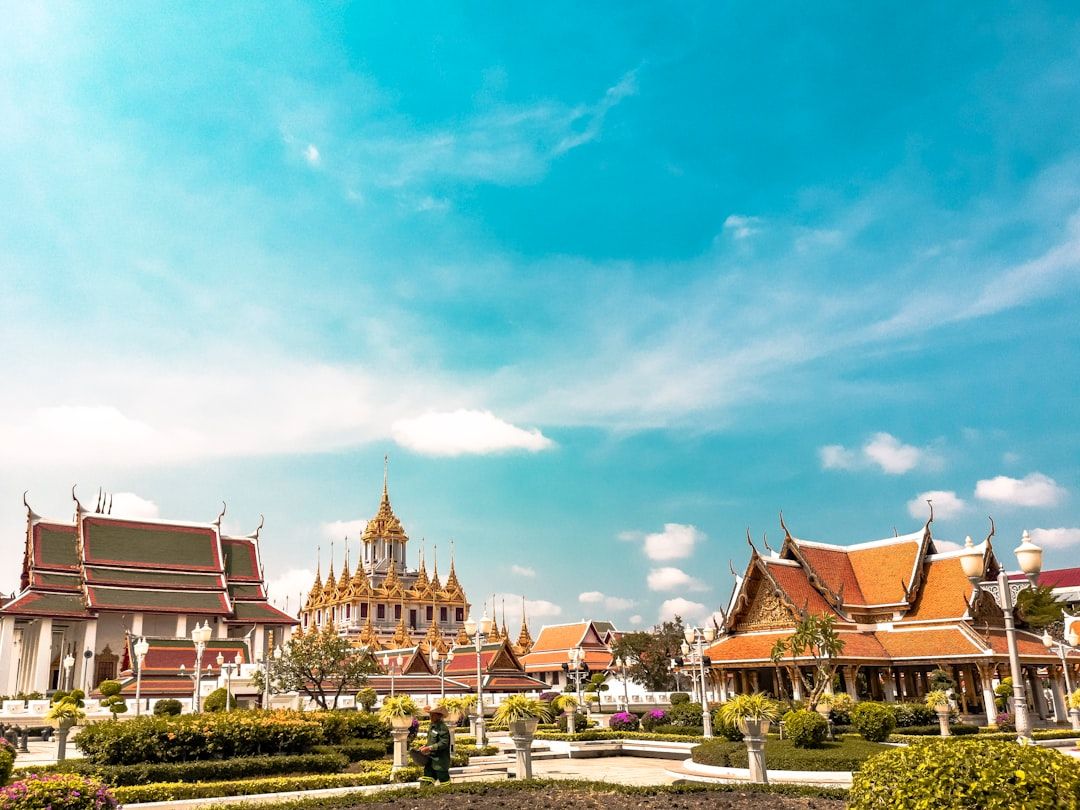
Two or three nights, at either end. It is hot, loud and enormous, and it rewards a short focused stay rather than a long one: the Grand Palace and Wat Pho early before the heat, the river ferries as transport rather than a tour, and the markets in the evening.
The public transport is better than its reputation — the BTS and MRT are fast, cheap and air conditioned, and the river boats cover much of what you want to see.
The north
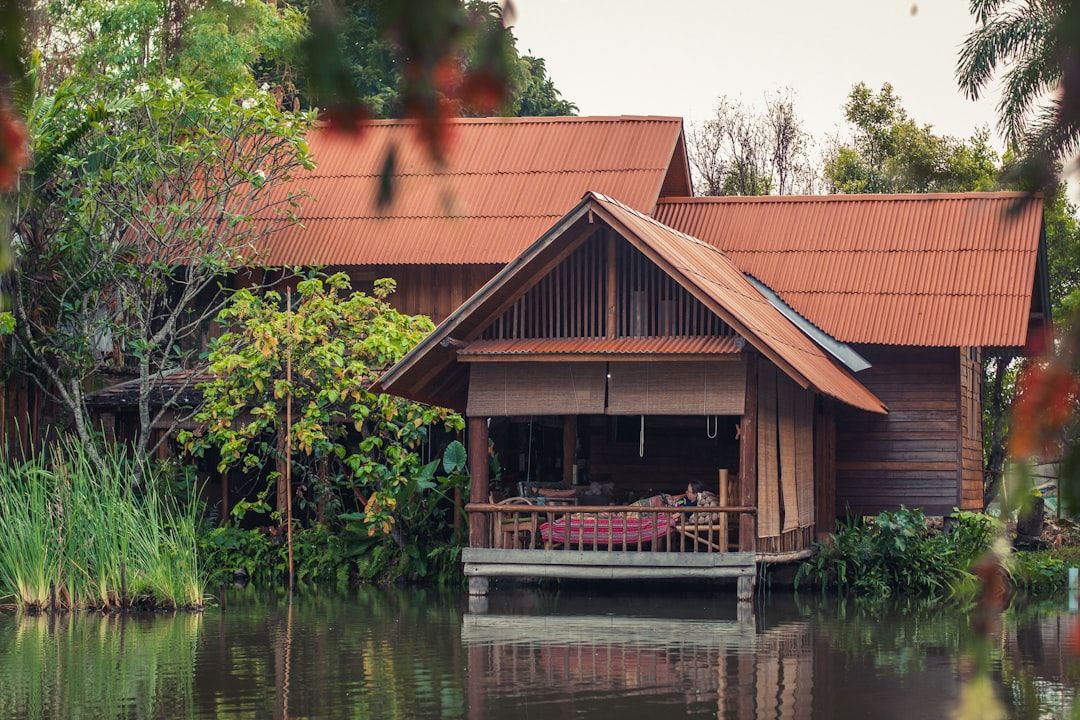
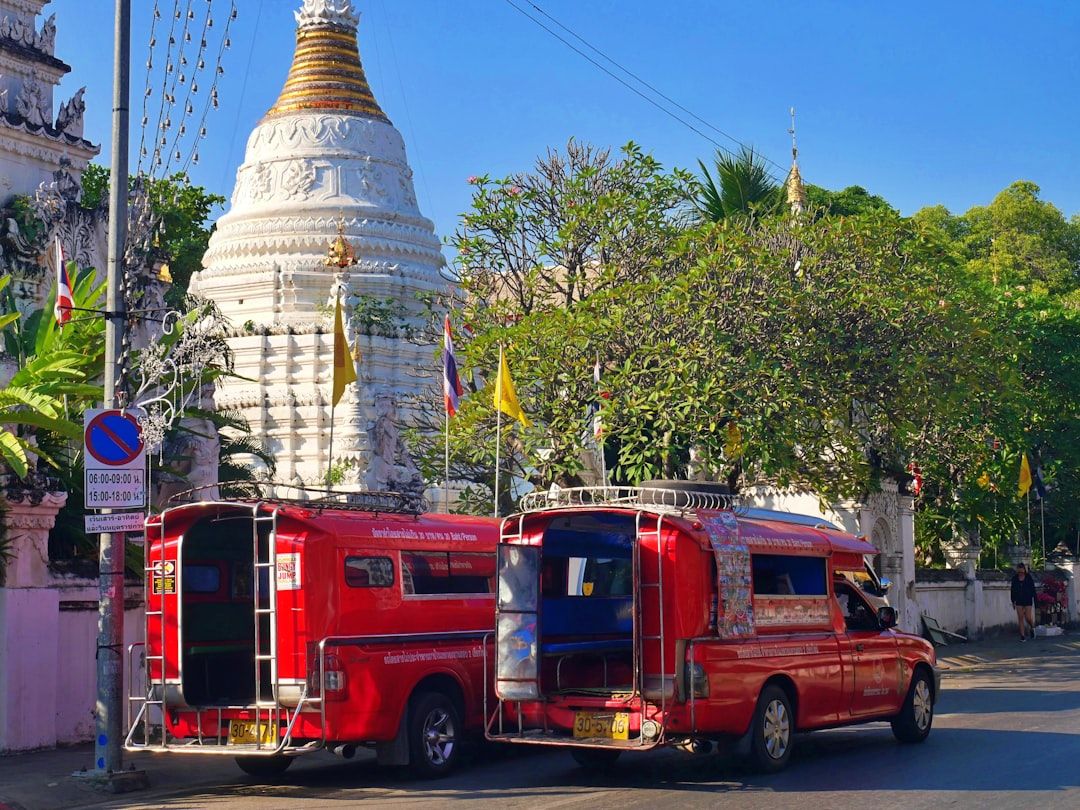
Chiang Mai is the base: a walled old city with a very high density of temples, a strong food scene, and mountains immediately behind it. Pai, a few hours north on a famously winding road, is the small-town stop; Chiang Rai has the white temple and access toward Laos.
The north is cooler, greener and slower, and it is where the trekking, the cooking courses and the national parks are. It is also where the elephant tourism question is most acute — riding and shows are not defensible, and while genuine observation-only sanctuaries exist, the word is used loosely. Research the specific place rather than trusting the label.
One thing to plan around: burning season, roughly February to April, when agricultural fires reduce air quality across the north significantly. If you are asthmatic or travelling with children, avoid those months here.
The south, and the two coasts
This is the single most useful planning fact about Thailand: the two coasts have opposite seasons.
The Andaman side — Phuket, Krabi, Ko Phi Phi, Ko Lanta — is at its best roughly November to April, with limestone cliffs and the clearest water.
The Gulf side — Ko Tao, Ko Pha Ngan, Ko Samui — runs on a later cycle, with its wettest period around October to December.
So there is almost always a good coast. Choose the island group by month rather than by reputation, and a trip in the wrong month to the wrong side is the most common avoidable disappointment.
Ko Tao is the cheapest place in the world to learn to dive and is organised entirely around that. Ko Lanta and Ko Chang are quieter family-scale islands. Ko Pha Ngan is the party one, though it is much larger and quieter than its reputation away from the south of the island.
Routes that work
Two weeks, north: Bangkok three nights, Chiang Mai four, Pai two, back to Bangkok, then a few days on a nearby island or straight out.
Two weeks, south: Bangkok two nights, fly to Krabi or Surat Thani, then two islands at four or five nights each. Fewer islands, longer stays — boat days are half-days lost.
Three weeks: do both properly, with an internal flight between Chiang Mai and the south rather than the overnight train and bus.
Practicalities
Overnight trains and buses are cheap and reasonably comfortable; the sleeper train to Chiang Mai is a genuinely pleasant way to travel and saves a night's accommodation.
Scooter injuries are the most common serious problem backpackers have here. Most travel insurance excludes motorbike accidents unless you hold a valid motorcycle licence and wear a helmet. Read your policy before renting, not after.
Temples require covered shoulders and knees, including at Wat Pho and the Grand Palace, and the rule is enforced.