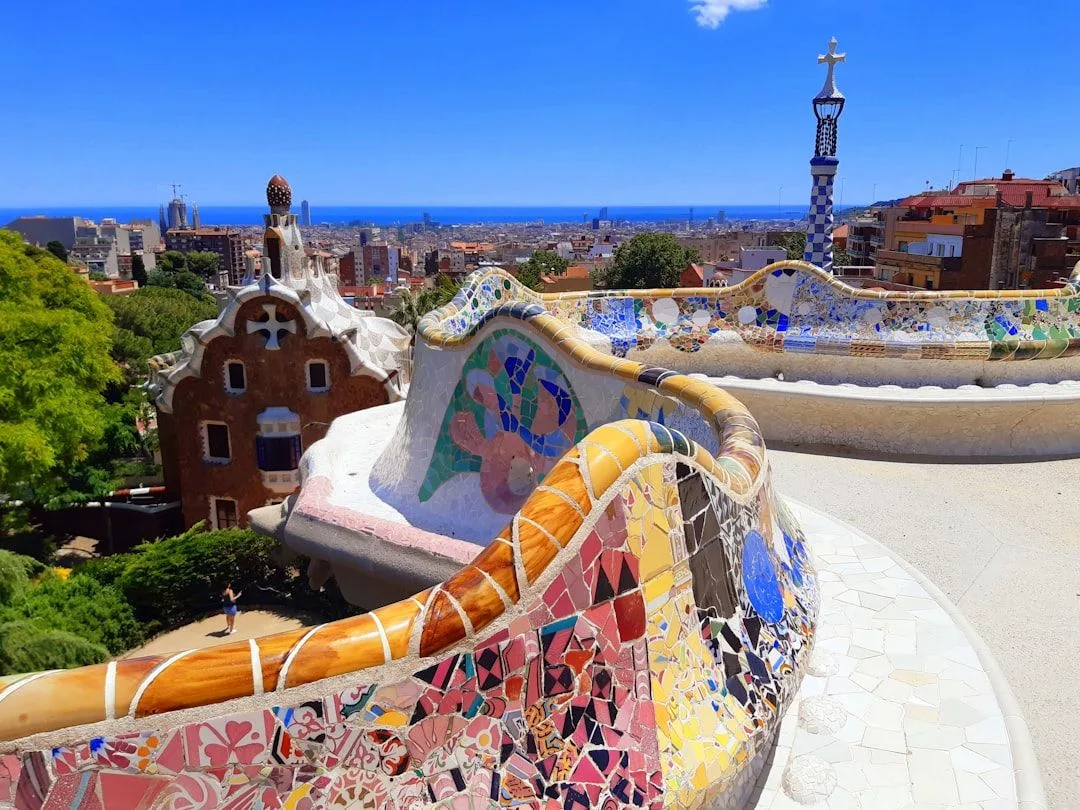
The problem with packing for Spain is that Spain is not one climate. A three-week trip can plausibly include 40°C in Córdoba, Atlantic drizzle in San Sebastián and near-freezing nights in the Pyrenees. The list below is built around that spread rather than around a single season.
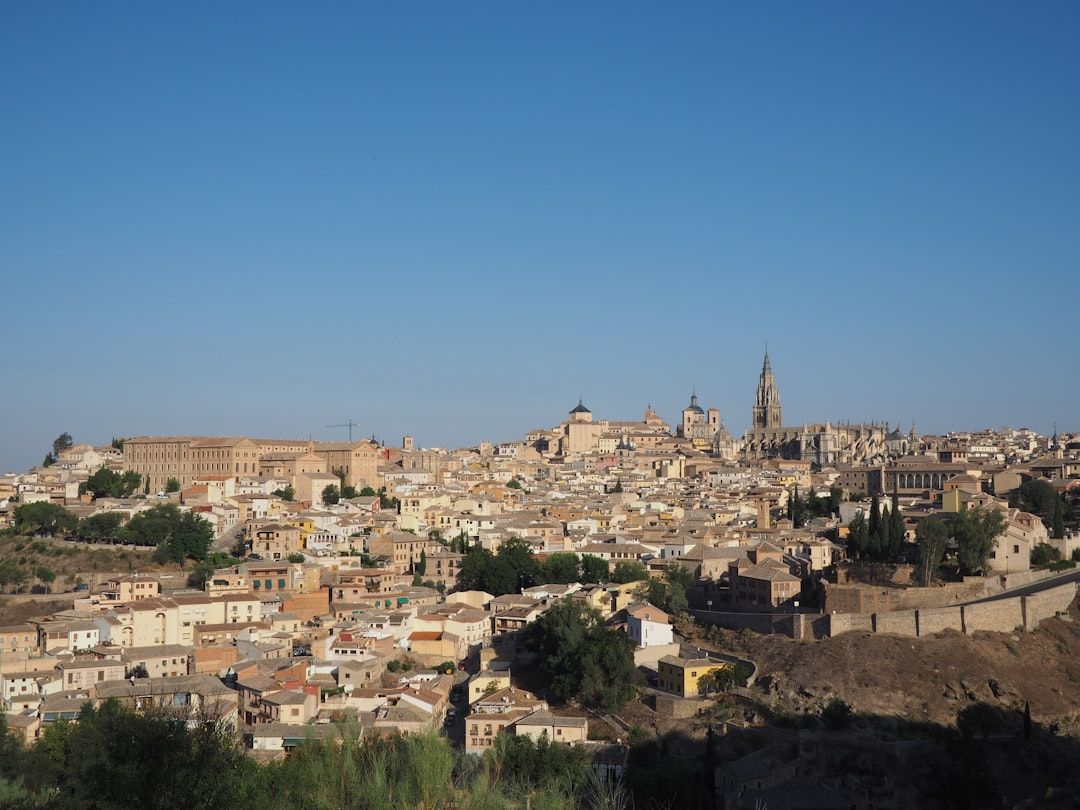
The four climates
| Region | Summer | Winter | Key item |
|---|---|---|---|
| Andalusia, inland | 35–45°C | 10–18°C | Sun hat |
| Mediterranean coast | 28–33°C | 12–18°C | Swimwear |
| Atlantic north | 20–26°C | 8–14°C | Rain shell |
| Central plateau / mountains | 30–38°C day, cool night | 0–10°C | Warm layer |
The central plateau is the one people underestimate: Madrid and Castile swing hard between day and night in every season.
Clothing
Natural fabrics, loose, light colours. Linen and cotton beat technical synthetics in dry Spanish heat — synthetics trap sweat and smell within hours at 40°C.
One long-sleeved shirt. Sun protection during the day, warmth on a plateau evening, and cathedral-appropriate.
Long trousers or a knee-length skirt. The major cathedrals — Seville, Toledo, Burgos, the Sagrada Família — enforce covered shoulders and knees and turn people away in August. A packable scarf or sarong is the lightweight workaround and covers both shoulders and legs.
A light fleece or merino layer. Non-negotiable if you are going anywhere inland or north, and useful anywhere for over-air-conditioned trains and restaurants.
Rain shell if the north is on your route. Galicia and the Basque country get real Atlantic weather year round.
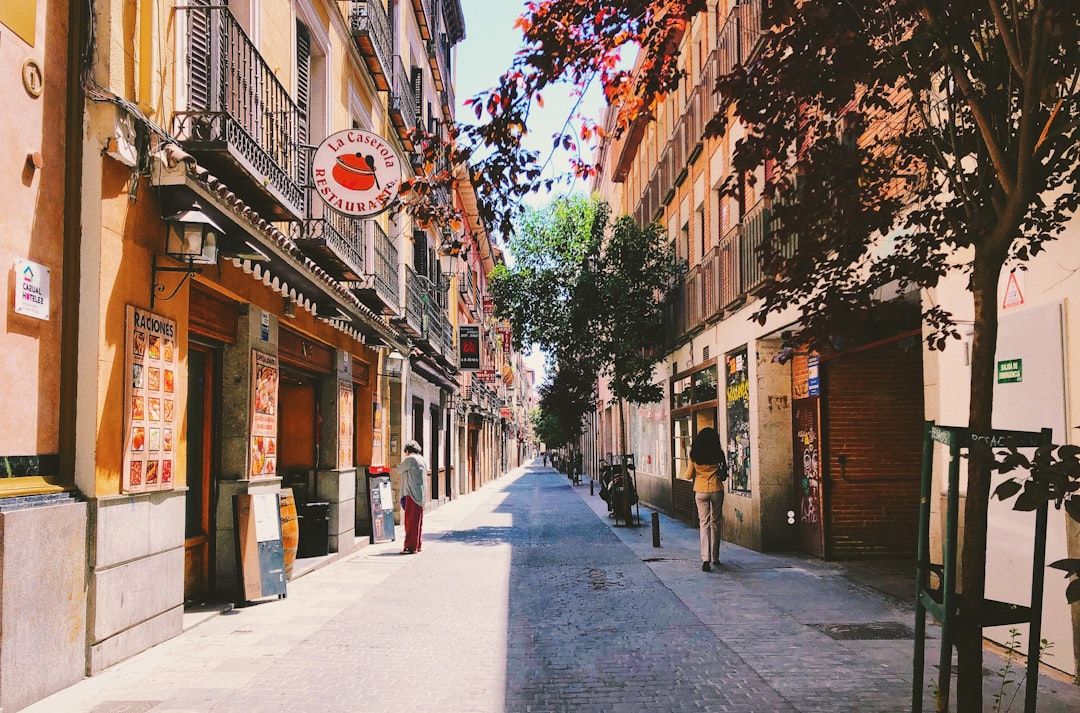
Shoes, which cause the most problems
One pair of broken-in walking shoes and one pair of sandals. That is it.
Spanish historic centres are cobbled, uneven and larger than they look — a day in Seville or Toledo easily reaches fifteen kilometres. Feet swell in heat. New shoes plus cobbles plus swelling equals blisters by day two, and it is the most common minor injury on any Spanish trip.
If you are walking any of the Camino, this becomes the single most important decision on the list, and the shoes should have several hundred kilometres in them already.
Sun kit
Genuinely important in Andalusia, where summer UV is at the top of the European scale.
A wide-brimmed hat, not a cap — the back of the neck is where people burn. SPF 50. Sunglasses. A refillable bottle: most Spanish cities have public fountains and tap water is safe everywhere, and buying bottled water three times a day adds up.
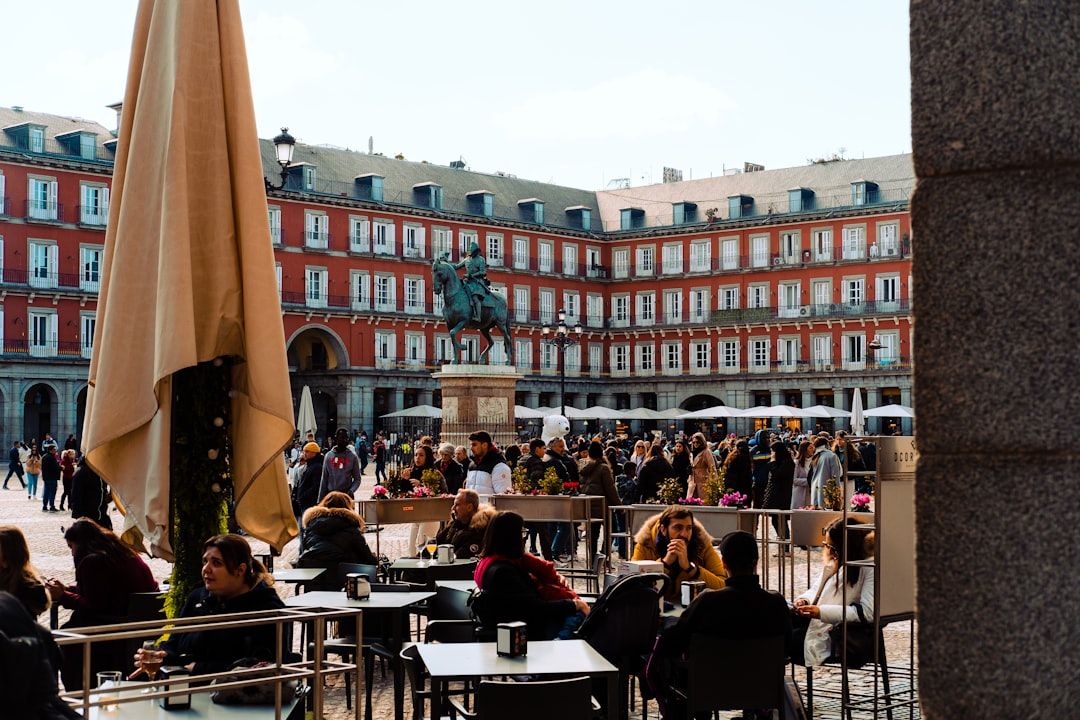
What to leave at home
A sleeping bag. Spanish hostels supply bedding and many ban sleeping bags as a bedbug precaution. A liner is worth it only for Camino albergues.
A travel towel, sometimes. Most hostels rent or include towels; check before carrying one.
A power adapter beyond type C/F. Spain uses the standard European two-pin plug at 230V.
Excessive clothing. Laundry is cheap and widely available, and Spain is a country where you will want to buy something anyway.
Small things that matter
A daypack that zips properly. Barcelona and Madrid have real pickpocketing, and a drawstring bag is an invitation.
Earplugs and an eye mask. Spanish cities are loud late — dinner starts at 9pm and streets stay busy well past midnight, which is charming until you are trying to sleep in a hostel above a plaza.
A small dry bag or ziplock for phone and documents at the beach.
Copies of your passport, digital and paper, kept separately from the original.