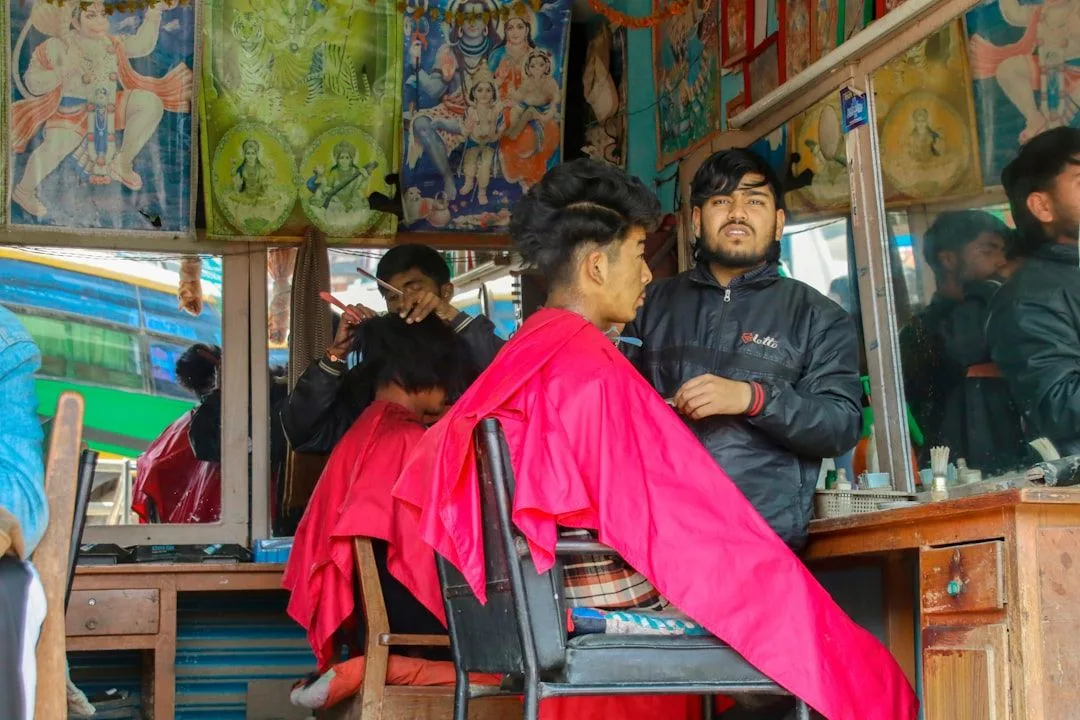
Southeast Asia remains the easiest region in the world to travel cheaply and independently. The infrastructure exists, other backpackers are everywhere, and the daily cost is low enough that the flight is usually the biggest single expense. What actually shapes your route is not the sights but the visa rules and where the land borders are.
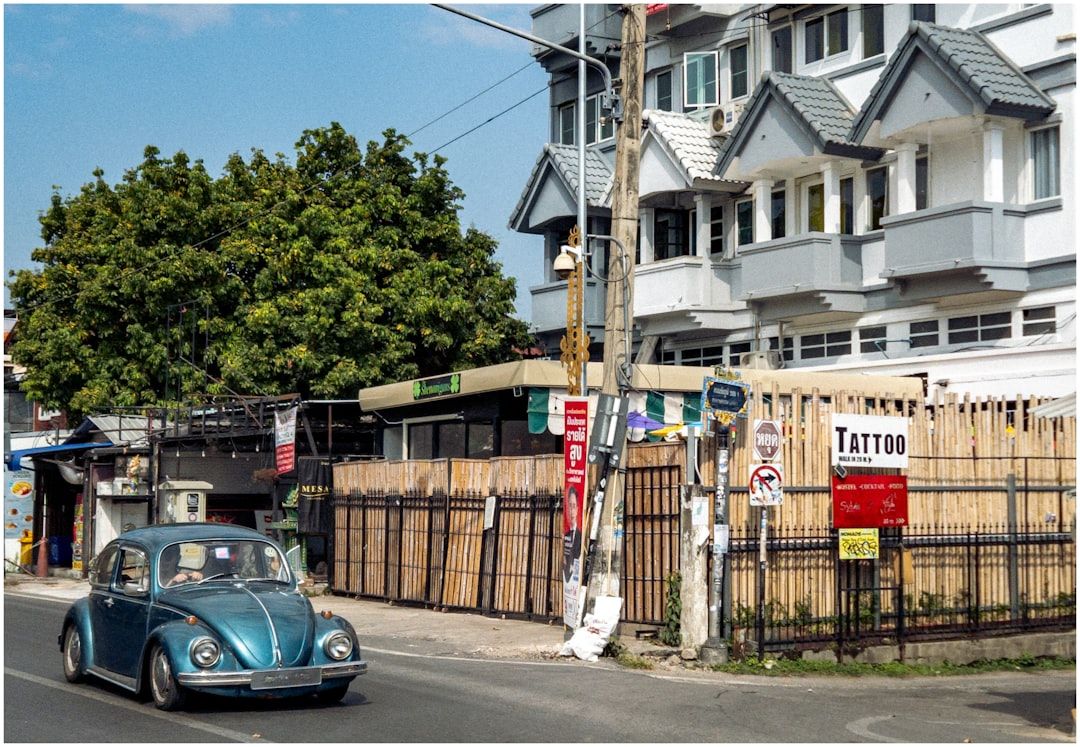
The classic loop
Bangkok → Chiang Mai → Luang Prabang → Hanoi → down Vietnam → Ho Chi Minh City → Phnom Penh → Siem Reap → back to Bangkok.
It is the standard route because it works: every leg is an established overland connection, nothing doubles back, and it ends where it started so a return flight is fine. Eight to twelve weeks is the comfortable window.
| Country | Daily budget | Weeks |
|---|---|---|
| Thailand | $30–40 | 2–3 |
| Laos | $25–35 | 1–2 |
| Vietnam | $25–35 | 3 |
| Cambodia | $25–35 | 1–2 |
| Malaysia | $35–45 | 1–2 |
| Indonesia | $30–40 | 2–3 |
Visas: the part that catches people
Vietnam needs an e-visa applied for online before you travel. This is the single most common planning failure on this route. It takes a few working days and costs around $25. There is no reliable visa on arrival for independent travellers at land borders.
Thailand grants most Western passports a visa exemption of 30 to 60 days on arrival. Repeated back-to-back land entries attract scrutiny.
Cambodia and Laos issue visas on arrival at the main land borders. Bring clean US dollars in cash and a passport photo; officials at land crossings frequently add an unofficial "processing" surcharge of a dollar or two, which is not worth arguing about.
Malaysia, Singapore, Indonesia are straightforward, with visa-free entry or visa on arrival for most nationalities.
Everywhere: six months validity on your passport, and proof of onward travel is occasionally demanded at check-in for flights even when the border does not care.
Getting between places
Overnight buses and trains are the backbone and they save a night's accommodation. Thai overnight trains are genuinely comfortable in second-class air-conditioned sleeper. Vietnamese sleeper buses have reclining pods rather than seats and are fine if you are under about 180cm.
The Mekong slow boat from Huay Xai to Luang Prabang takes two days with an overnight in Pakbeng. It is the standard Thailand–Laos entry and worth doing for its own sake.
Budget flights — AirAsia, VietJet, Scoot — are cheap enough that a $40 flight beats an 18-hour bus. Purism about overland travel costs you days.
What the money goes on
Dorm beds run $6–12, private rooms $15–25. Street food is $1.50–3 a meal and is usually the best food available. Local transport is pennies. The costs that break budgets are the same everywhere: organised tours, diving courses, drinking in bar districts, and repeated short flights.
Two things worth spending on: a scuba certification if you want one, which is cheaper here than anywhere, and travel insurance that covers motorbike accidents, which most policies exclude unless you hold the right licence.
Season
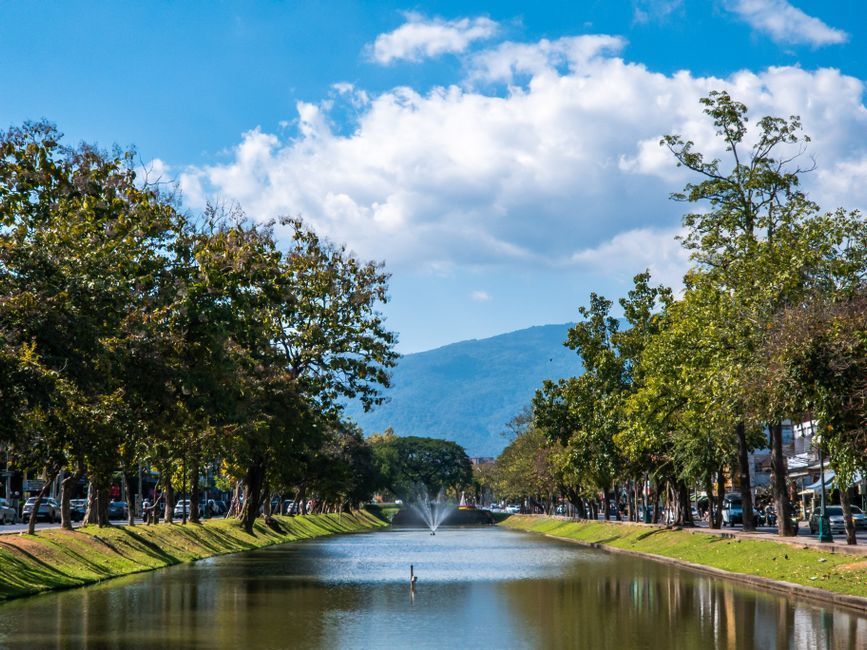
November to February is the dry, cooler season across most of mainland Southeast Asia and the reason it is peak. March to May is brutally hot — over 35°C with high humidity, plus burning-season smoke in northern Thailand and Laos that pushes air quality to genuinely unhealthy levels through March and April.
June to October is the southwest monsoon: heavy afternoon rain rather than all-day drizzle, half the crowds, and noticeably lower prices. Perfectly viable, and the green season is when the landscape actually looks like the photographs.
The mistakes worth avoiding
Booking too much in advance — the whole point of the region is that you can decide where to go next over breakfast. Moving every two nights, which turns the trip into a transport log. And renting a motorbike without a licence valid for the engine size, which is the leading cause of serious injury among visitors here and is excluded by most insurance.