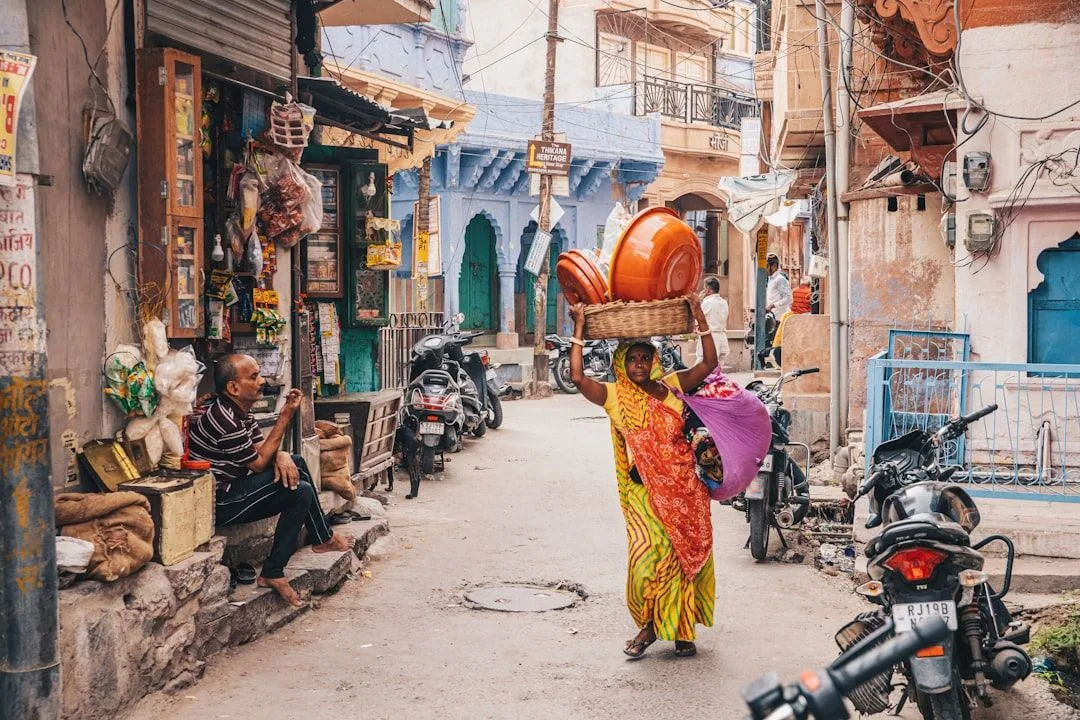
Peru is the country most people start South America with, and for good reason: the transport works, the route is well established, and the food is among the best on the continent. The one thing that reliably goes wrong is the first week, and it is almost always altitude.
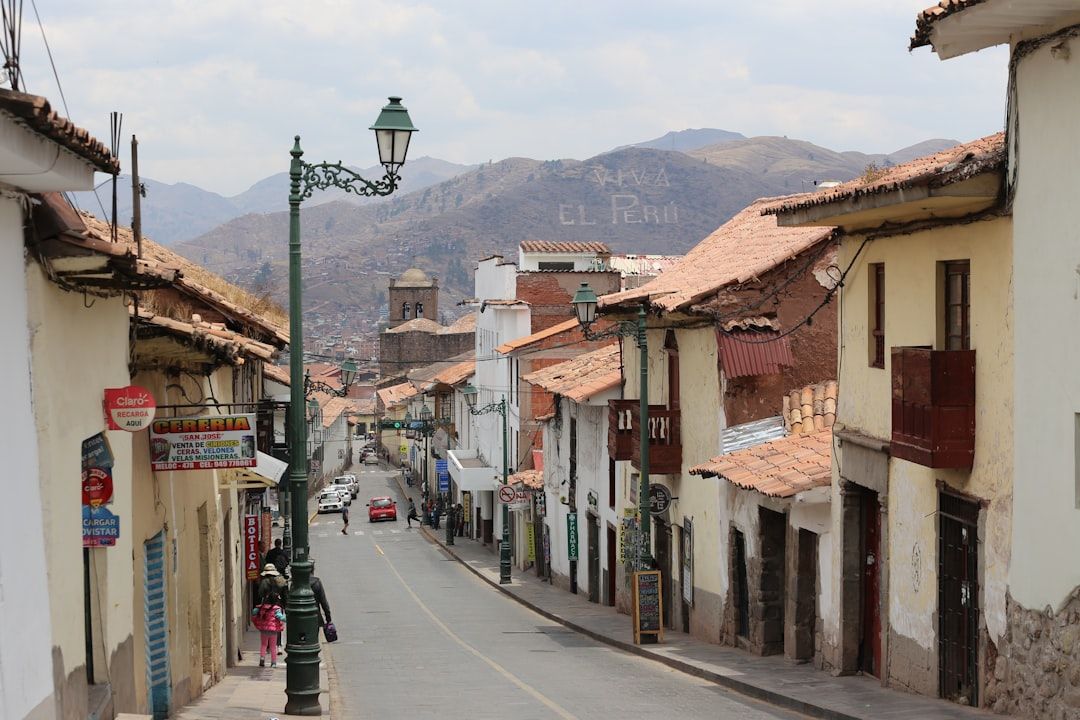
Cusco and the altitude problem
Cusco sits at around 3,400 metres, and most people fly directly into it from Lima at sea level. That is an abrupt change, and the standard result is a headache, breathlessness on stairs and a poor night's sleep.
Treat the first two days as buffer. No trek, no drinking, plenty of water, light meals. Coca tea is offered everywhere and helps a little. Most people feel normal by the third day, and starting a four-day trek on day two is how people end up abandoning it.
If your route allows, arriving overland from Arequipa or via Lake Titicaca gives a far gentler profile than flying straight up.
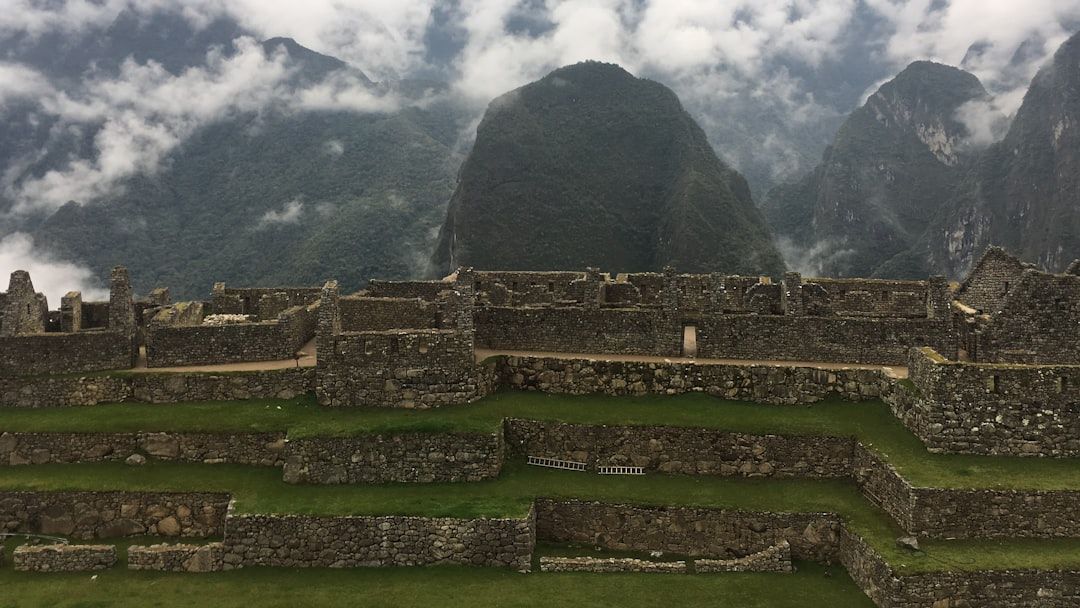
Machu Picchu: permits, treks and tickets
Two separate bookings, and both catch people out.
The Inca Trail is capped by permit, sold only through licensed operators, and sells out months ahead for the May-to-September dry season. It closes each February for maintenance. If you are planning inside three months in high season, assume it is gone.
The alternatives are genuinely good. Salkantay is higher, wilder and needs no permit — many people who have done both prefer it. Lares is shorter and passes through weaving communities. Both finish at Aguas Calientes, from where you reach the site by bus.
The site ticket is separate from any trek, with a timed slot and a fixed circuit. Rules have changed repeatedly in recent years, so check the current position rather than an old blog post. Buy early for June to August.
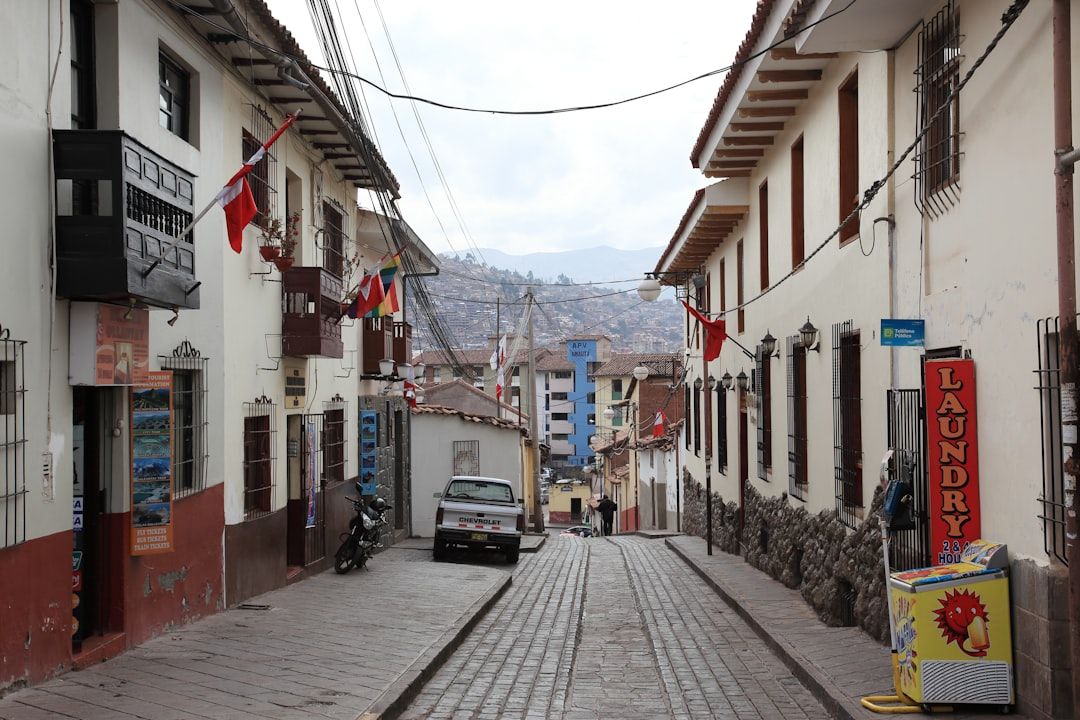
The standard route
Most people travel Lima to Cusco and then onward, in some order: the Nazca lines, Arequipa and the Colca canyon, Cusco and the Sacred Valley, Lake Titicaca at Puno, and either north to Huaraz for serious mountains or east to the Amazon at Puerto Maldonado or Iquitos.
Two weeks covers Lima, Cusco and Titicaca comfortably. Three weeks adds Arequipa and the Colca. A month opens the Amazon or Huaraz, both of which need real time.
Huaraz, if you like mountains
The part of Peru that most rewards walkers and gets a fraction of the visitors. The Cordillera Blanca has the highest concentration of peaks above 5,000 metres outside Asia, and the Santa Cruz trek is a four-day route through it that costs a fraction of anything near Cusco.
It is high — treks routinely cross passes above 4,700 metres — so it belongs later in a trip, after you are acclimatised.
Money, transport and food
Long-distance buses are comfortable, frequent and cheap, and the reputable companies are meaningfully better than the budget ones on overnight mountain routes. Domestic flights save long journeys on the Lima–Cusco and Lima–Arequipa runs.
Peru is inexpensive for hostels and local food. Eating a menú del día at lunch — soup, main, drink — is both the cheapest and often the best meal of the day. The costs that dominate a budget are treks, the Machu Picchu package and Amazon lodges.
Carry cash outside the cities, and watch for altitude-related appetite loss in the first days, which is normal and passes.