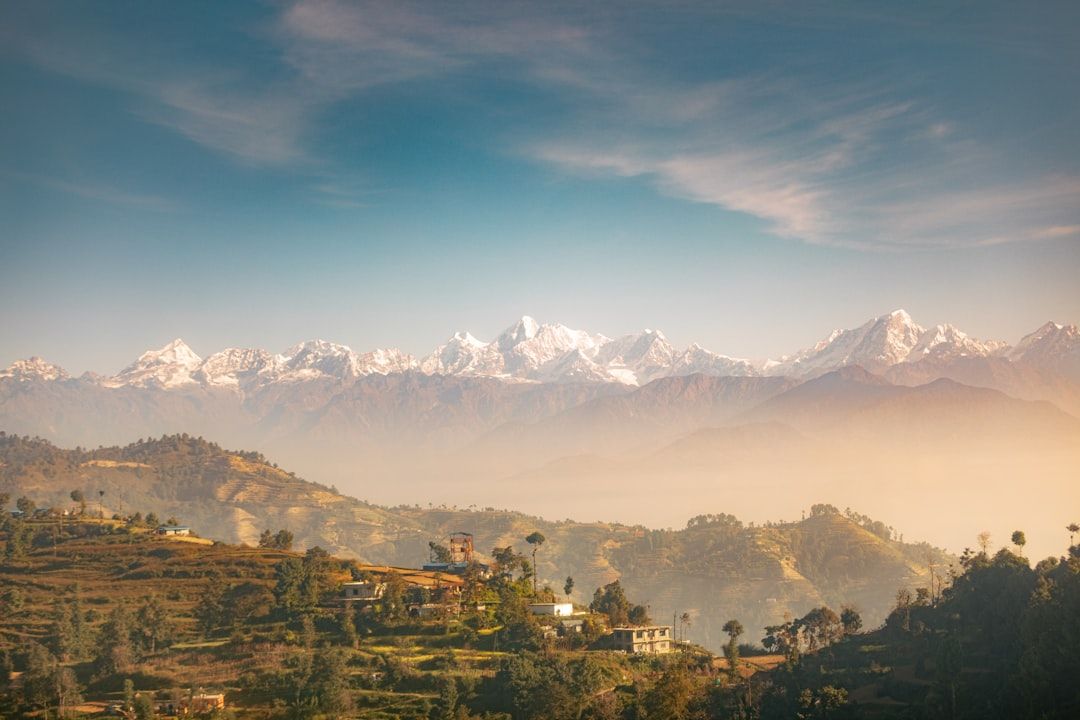
Nepal offers the most accessible high-mountain trekking anywhere, and the reason is infrastructure rather than terrain. Villages along the main routes have lodges, so you walk with clothing and a sleeping bag instead of a tent, a stove and a fortnight of food. That single fact puts the Himalaya within reach of ordinary walkers.
Permits, and checking them yourself
You will need a permit for the conservation area or national park you are entering, plus a trekking registration card, arranged in Kathmandu or Pokhara before you set out.
The important caveat: the rules have changed several times in recent years, including on whether a licensed guide is mandatory, and they differ by region. Confirm the current position with the Nepal Tourism Board or a registered agency close to your travel date rather than relying on a guide written earlier — including this one.
Restricted areas such as Upper Mustang and Manaslu carry their own, more expensive permits and additional requirements.
Choosing a route
Annapurna Base Camp — around seven to ten days from Pokhara, into a glacial amphitheatre ringed by peaks. The best first Himalayan trek: serious scenery, moderate altitude, excellent teahouses, and no flight required.
Langtang — closer to Kathmandu, about a week, and quieter than the other two. The valley was devastated by the 2015 earthquake and has been rebuilt; trekking there directly supports that recovery.
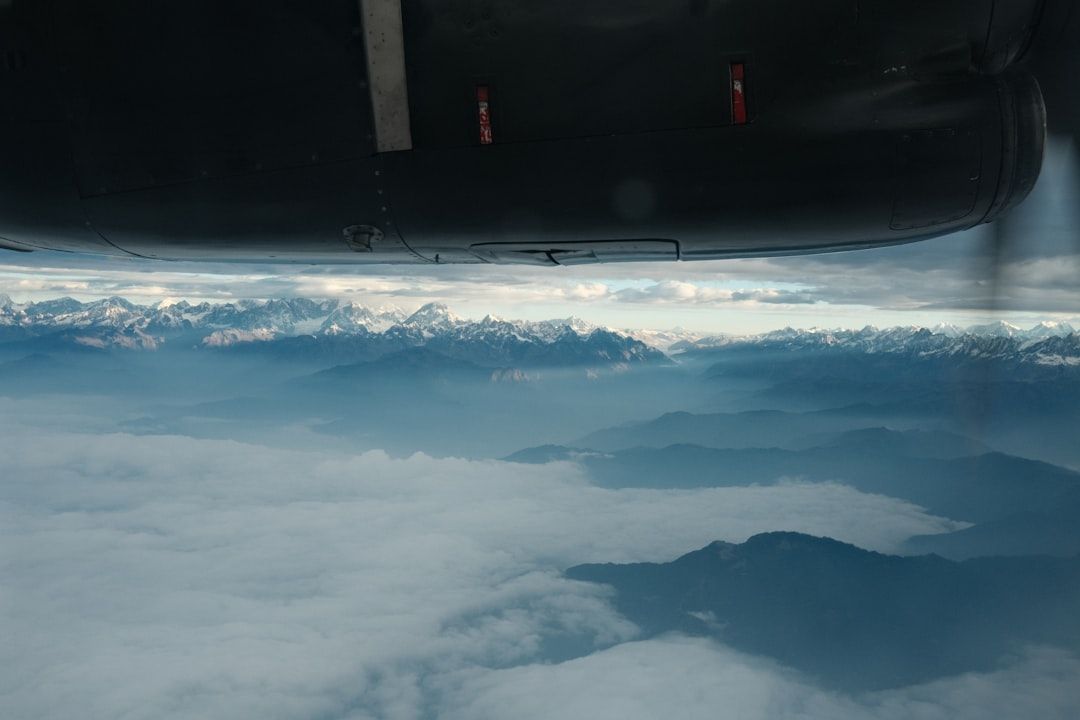
Everest Base Camp — twelve to fourteen days, higher, colder and more committing, and it begins with a flight into Lukla, an airstrip whose weather cancellations routinely add days at both ends. Build in slack before any onward flight.
Annapurna Circuit — the classic long route, though road construction has shortened the walking sections over the years. Still excellent, and the Thorong La pass at over 5,400 metres is a serious day.
Altitude, which is the real risk
The trekking itself is walking, not climbing. The danger is altitude, and it does not care about fitness — being strong is not protective, and often encourages people to ascend too fast.
Follow the acclimatisation days built into standard itineraries rather than skipping them to save time. Above 3,000 metres, avoid sleeping much higher than the previous night. Drink more than feels necessary.
Learn the serious signs: confusion, loss of coordination, breathlessness at rest, a cough that worsens lying down. Those are not "push through" symptoms — they require immediate descent, which is the only reliable treatment. Ensure your insurance covers helicopter evacuation at trekking altitude, and read the altitude limit in the policy.
Season
Two windows. October and November are the best — clear skies after the monsoon, stable weather, and the busiest trails. March to May is warmer with rhododendron in flower and more haze.
The monsoon, June to September, brings rain, leeches and cloud that hides the mountains you came for. Winter is clear and very cold, with high passes snowbound.
Kathmandu and Pokhara
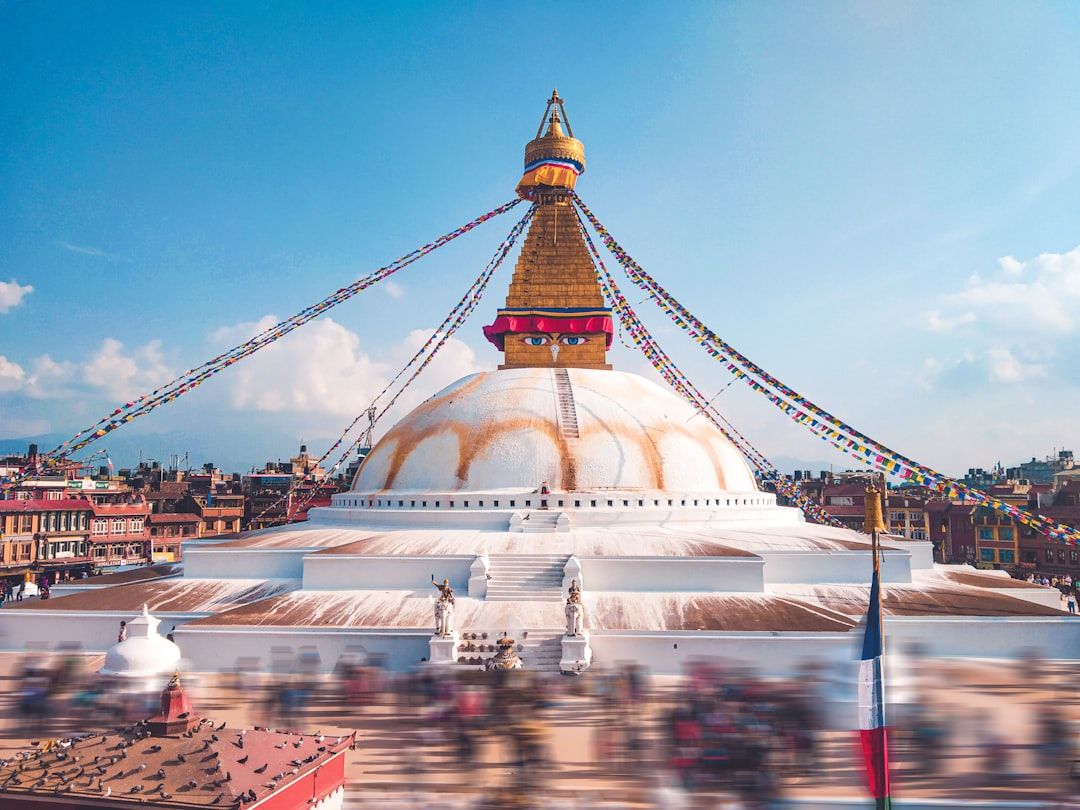
Kathmandu is where permits, gear and flights get arranged, and the Thamel district exists largely for that. The Durbar squares and Boudhanath are worth days in their own right.
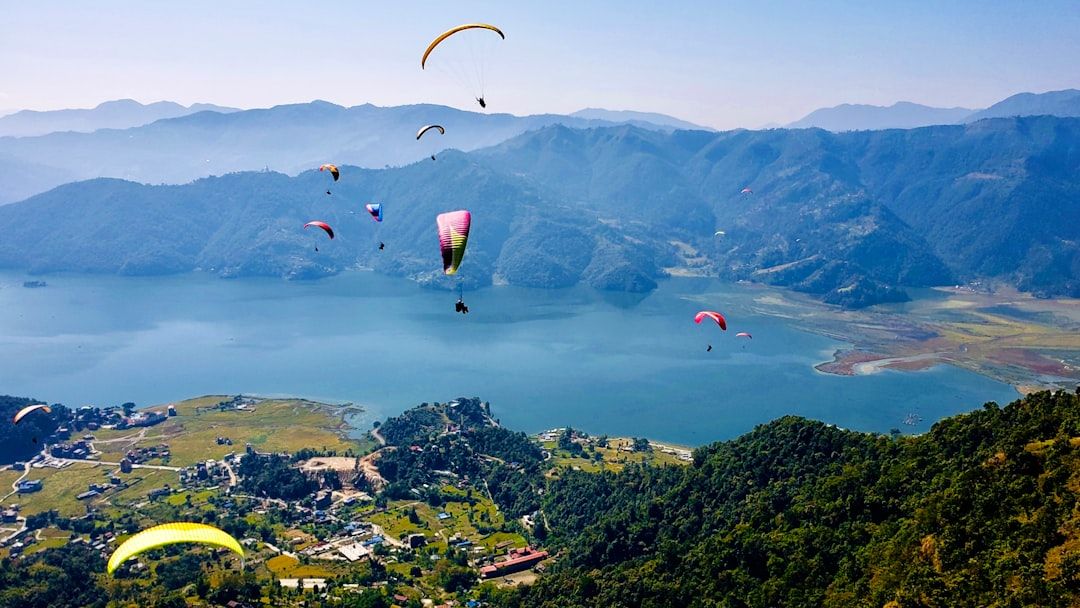
Pokhara is the launching point for the Annapurna routes and a pleasant place to recover afterwards — lakeside, low altitude, and full of people either about to walk or having just finished.
Costs
Nepal is inexpensive on the ground, and trekking costs rise with altitude because everything is carried up. Budget separately for permits, a guide or porter if you use one, and insurance that genuinely covers the altitude you will reach.
Hiring a porter is normal, is a significant local income, and makes the walking substantially more enjoyable. If you do, use an agency that pays and equips them properly.