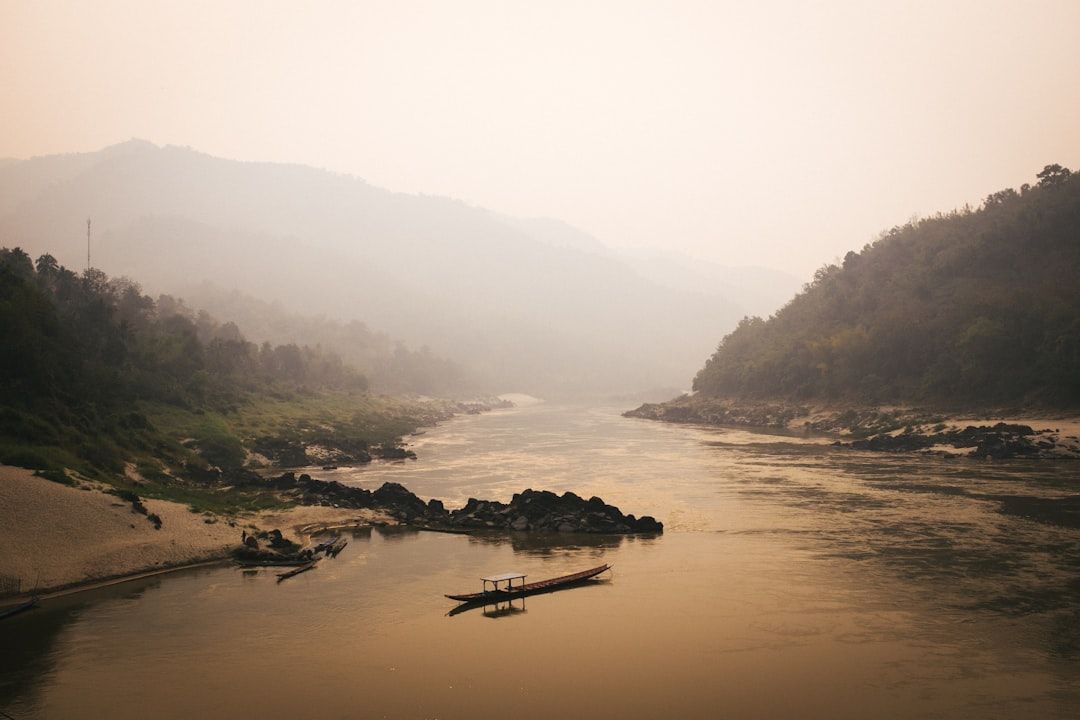
Laos is the country most people pass through between Thailand and Vietnam, and the one most regret rushing. It is mountainous, thinly populated and slow to move around, which is precisely what makes it worth the fortnight rather than the long weekend.
The standard route
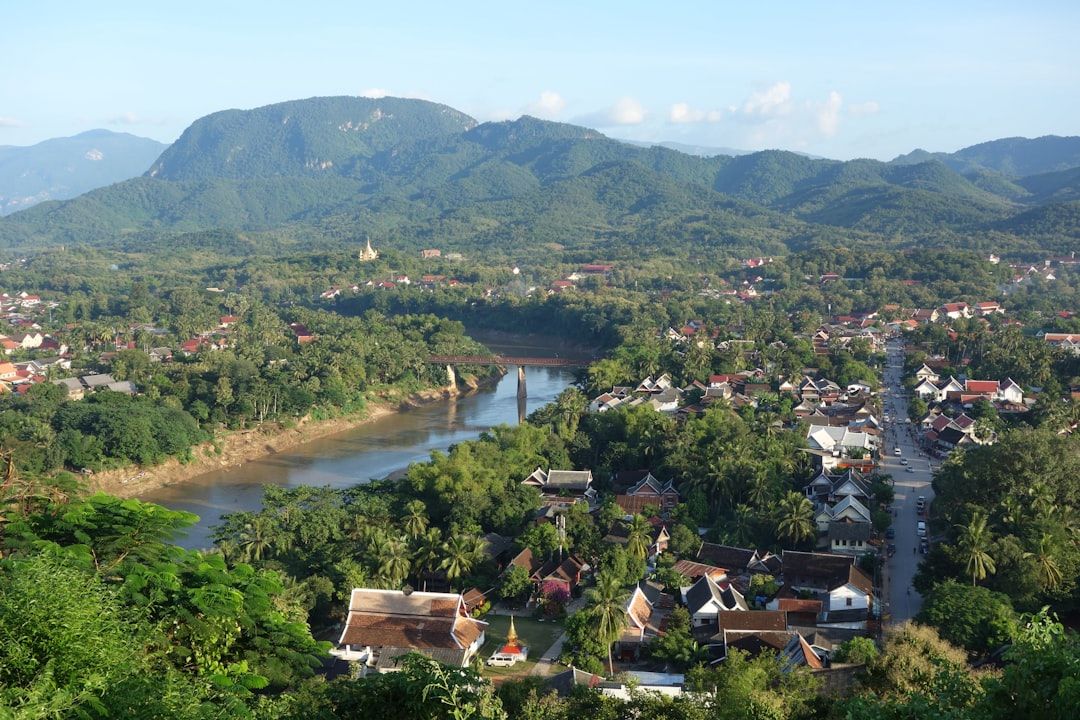
Almost everyone travels north to south, or the reverse. The spine is Huay Xai on the Thai border, then the Mekong down to Luang Prabang, then south to Vang Vieng, Vientiane, and on toward Thakhek and Pakse if you have time and inclination.
Doing it in that direction has a practical advantage: the slow boat only runs downstream in a way that makes sense, and you arrive in Luang Prabang by river, which is a considerably better introduction than arriving by bus.
The slow boat
Two days down the Mekong from Huay Xai, with an overnight stop at the village of Pakbeng. This is the trip's set piece and it is worth doing, provided you go in understanding what it is: long hours on hard bench seating on a narrow wooden boat, with scenery that is genuinely beautiful and eventually repetitive.
Bring a cushion — the boats sell them at the pier for a reason — plus food, water, a book and a power bank. Pakbeng is a one-street stop that exists for this boat; accommodation is basic and fine, and you do not need to book far ahead outside peak season.
There are fast boats. They are perilously quick, helmets are handed out for a reason, and accidents are not rare. The day saved is not worth it.
Luang Prabang
A UNESCO-listed town at the meeting of the Mekong and the Nam Khan, with a genuine and preserved character that survives its own popularity better than most places do. Two or three days is right.
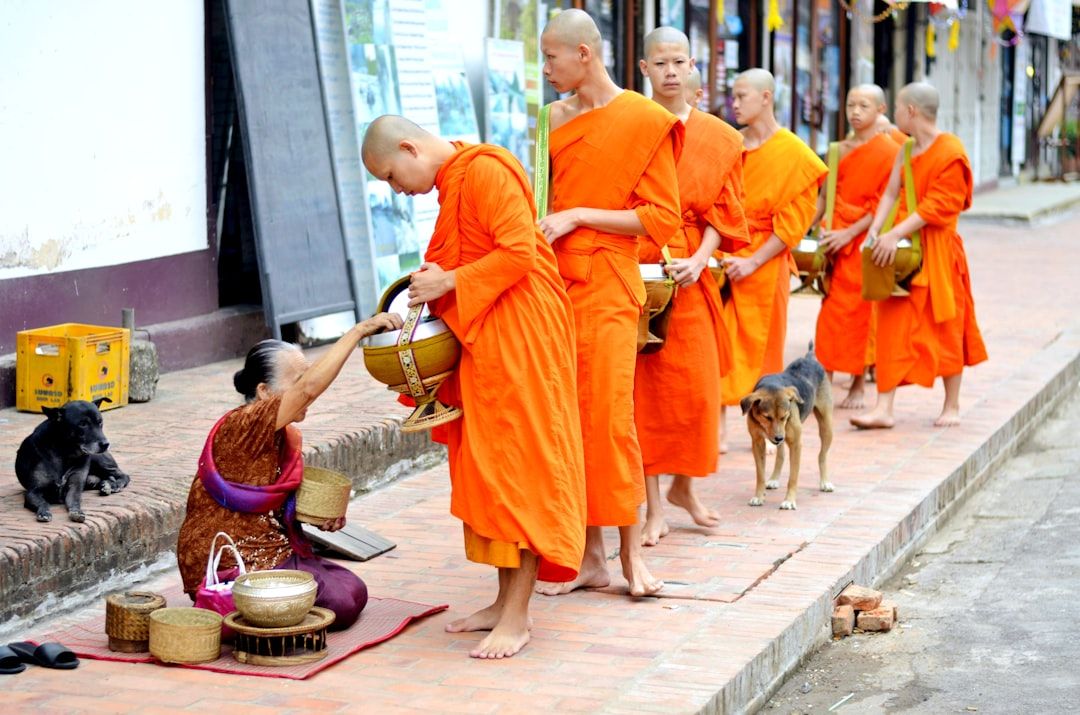
The dawn alms procession, when monks collect offerings through the streets, is the thing everyone comes for and the thing most visitors get wrong. It is a religious observance, not a display. Watch from a distance, do not use flash, do not block the route, and do not buy offerings from vendors to participate unless you understand what you are doing. If that sounds like a lot of caveats, consider simply skipping it.
Kuang Si waterfalls, half an hour out of town, are the best half day. Go early or late to miss the tour buses.
Vang Vieng
Vang Vieng spent years as a byword for river tubing and its associated chaos, and has since substantially reinvented itself around the landscape rather than the bars — kayaking, caves, hot air balloons over the karsts, and viewpoints that involve short, steep, genuinely rough climbs.
The karst scenery is remarkable and the town itself is not. Two nights is usually enough.
The Thakhek Loop
The best thing in the country if you are comfortable on a motorbike, and a bad idea if you are not. A three or four day circuit from Thakhek through limestone country, taking in Kong Lor Cave — a river cave you travel through by boat for several kilometres in the dark, which is as good as it sounds.
Sober assessment first: road conditions vary, some sections are rough, medical facilities are limited, and travel insurance frequently excludes motorbike riding unless you hold the correct licence and wear a helmet. Check your policy specifically. People are injured on this loop every season.
Money and transport
Laos is inexpensive for dorms, local food and local buses, though the gap between it and Thailand or Vietnam has narrowed. The costs that break budgets are the discretionary ones: the slow boat, organised tours, motorbike hire and the loops.
Cash matters more than in neighbouring countries. ATMs exist in the towns on the main route and are unreliable elsewhere, withdrawal limits are low and fees per transaction are high, so take out larger amounts less often and carry a US dollar reserve.
Buses run late and the stated durations are optimistic. Overnight sleeper buses save a night's accommodation and cost you a night's sleep; on mountain roads, most people find the trade a poor one.
Timing
The dry season, roughly November to March, is the straightforward choice — cooler, clearer, and the boats and loops all running normally. March into May gets very hot, and in the north visibility is often badly reduced by agricultural burning. The wet season from May to October brings a full Mekong, green landscape, fewer visitors and the real possibility that a road or a loop becomes impassable.