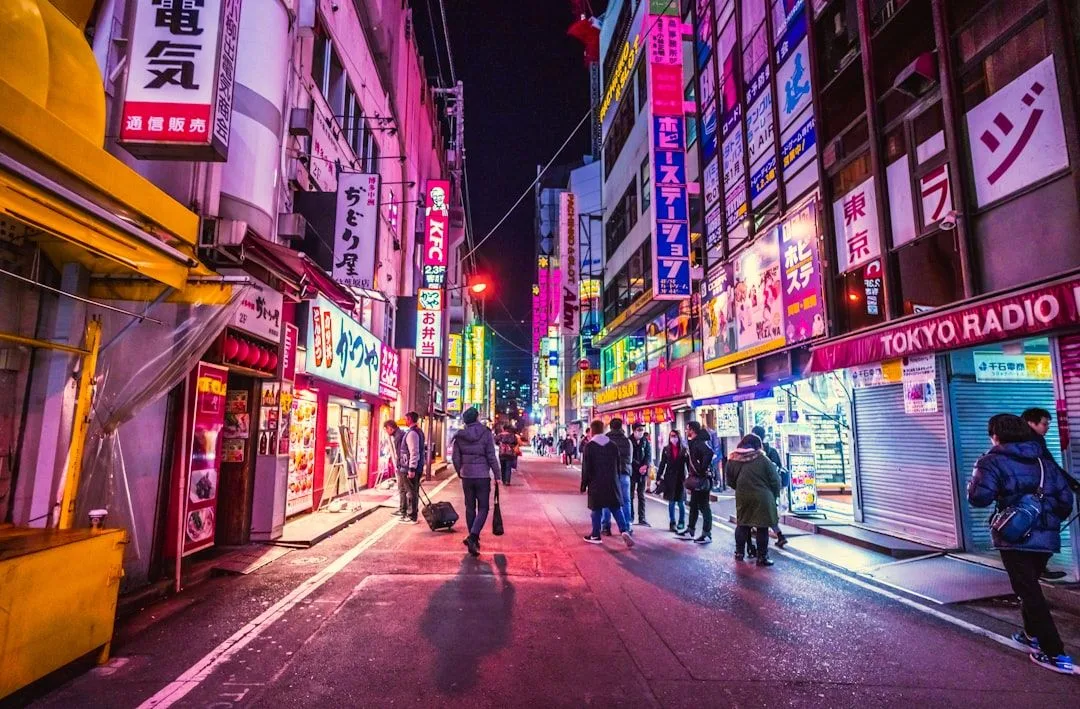
Japan has a reputation for being unaffordable that is roughly half deserved. Food and local transport are cheaper than western Europe. Accommodation and long-distance rail are not, and those two lines are where every Japan budget actually breaks.
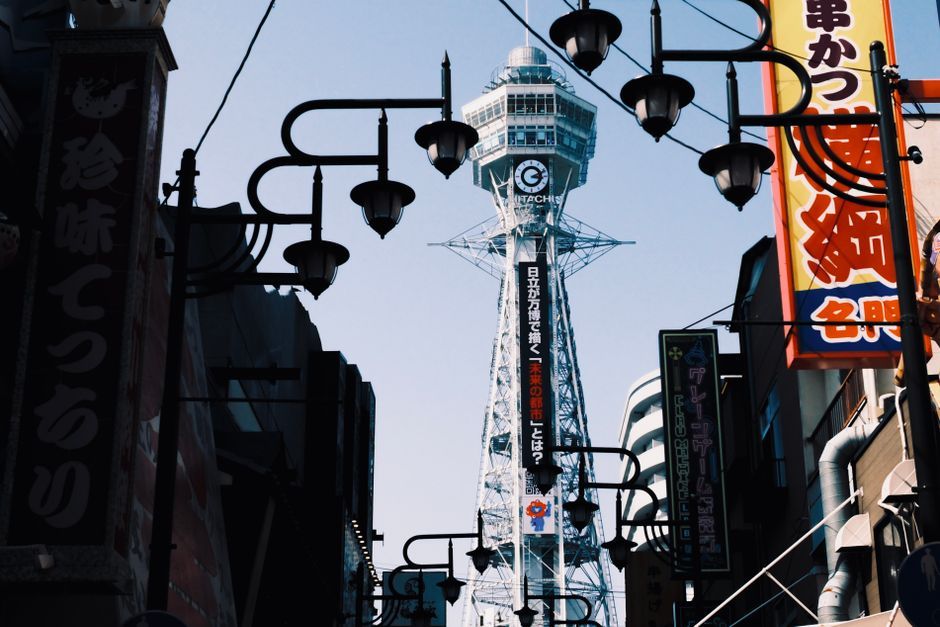
The real daily numbers
| Item | Budget | USD |
|---|---|---|
| Hostel dorm | ¥3,000–4,500 | $20–30 |
| Capsule hotel | ¥3,500–5,500 | $24–37 |
| Konbini breakfast | ¥300–500 | $2–3.50 |
| Standing ramen / gyudon | ¥400–800 | $3–5.50 |
| Set lunch (teishoku) | ¥800–1,200 | $5.50–8 |
| Local subway day | ¥600–1,000 | $4–7 |
Food and transport come to roughly $18–25 a day. Add the bed and the honest all-in figure is $55–75. The widely quoted $30 excludes accommodation, which is the largest line.
Eating cheaply is easy and good
This is the part of Japan that genuinely surprises budget travellers.
Konbini. 7-Eleven, Lawson and FamilyMart sell onigiri at ¥150, proper bento at ¥500–700, and decent coffee. The quality bears no resemblance to Western convenience food. This is not a compromise; locals eat this way daily.
Standing bars and chains. Ramen at a counter for ¥600–800. Gyudon beef bowls at Yoshinoya or Sukiya for ¥400–500. Kaiten sushi at ¥100–150 a plate. All are ordinary, everyday food rather than tourist economy.
Teishoku set lunches. The best value in the country: a proper cooked meal with rice, soup and sides for ¥800–1,200, served everywhere at midday. The same restaurant charges double at dinner for similar food — so eat your main meal at lunch.
Supermarket discounts after 7pm. Bento and prepared food get 30 to 50 percent stickers as the evening goes on.
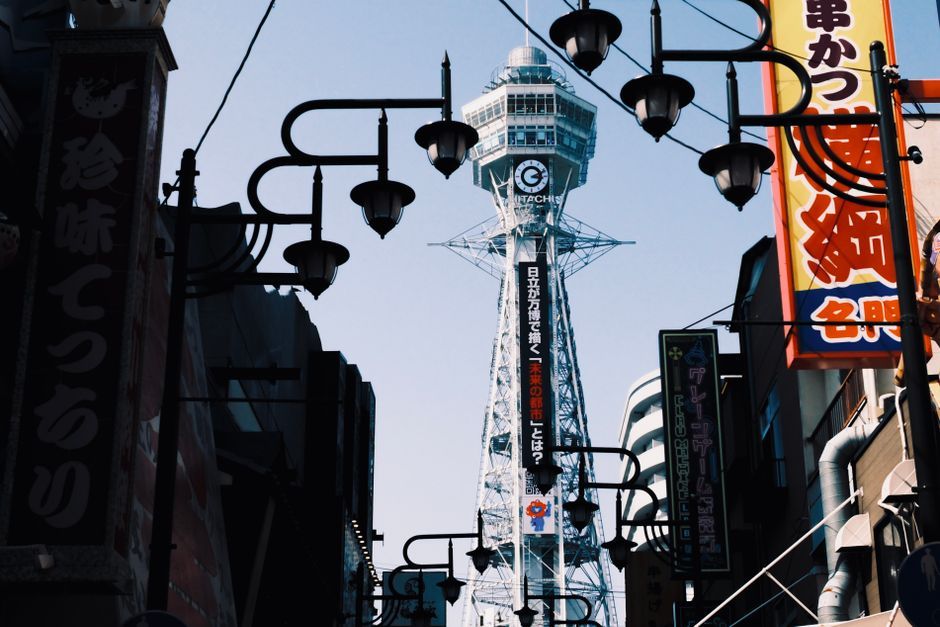
Where it breaks: the shinkansen
Long-distance rail is the budget killer. Tokyo to Kyoto is about ¥14,000 each way.
The JR Pass used to be the automatic answer and since the 2023 price increase it is not. At roughly ¥50,000 for seven days, you need well over a simple Tokyo–Kyoto return to break even. Do the arithmetic for your specific route.
The cheaper alternatives:
Regional passes — JR Kansai, JR East, Sanyo–San'yo — cover a smaller area at a fraction of the national price and often fit an actual itinerary better.
Overnight buses. Tokyo to Kyoto or Osaka for ¥3,500–6,000, which also saves a night's accommodation. Willer and JR Bus both run them, and the three-across seats are reasonably comfortable.
Domestic budget flights. Peach and Jetstar sometimes undercut the shinkansen on longer routes, though airport transfers eat the saving on short ones.
Seishun 18 Kippu, sold in school holiday periods, gives five days of unlimited local (non-express) trains for about ¥12,000. Slow, and extraordinarily cheap if you have time.
Sleeping cheaply
Hostels are good, clean and well run everywhere. Capsule hotels are worth doing at least once and are often cheaper than a dorm in Tokyo. Business hotels at ¥7,000 are worth pricing against two dorm beds if you are travelling as a pair.
Internet cafés — manga kissa — offer a reclining seat, shower access, free drinks and unlimited manga for around ¥2,000 a night. Used by locals who miss the last train, and a legitimate budget option.
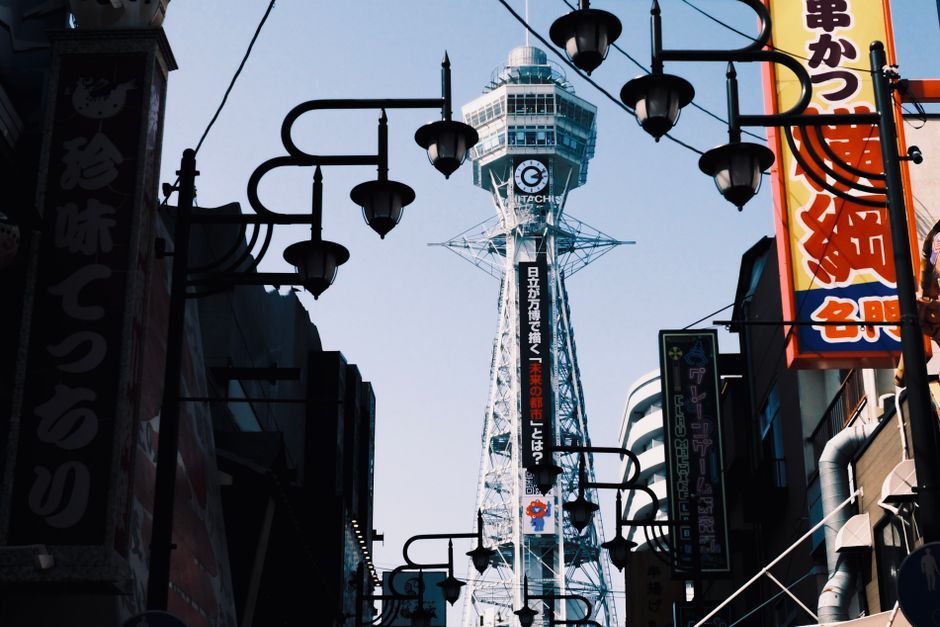
What costs nothing
A large share of Japan's appeal is free: most shrines and temples, including the whole Fushimi Inari torii path in Kyoto; the Tokyo Metropolitan Government observation decks; parks, gardens and public markets; and walking neighbourhoods like Yanaka, Shimokitazawa and Osaka's backstreets.
The paid attractions — teamLab, Ghibli, castles — are individually modest but add up. Two or three across a two-week trip is a sensible ceiling on a budget.
Two practical notes
Get an IC card (Suica or Pasmo) at the airport for all local transport and convenience stores. Do not buy single tickets.
Cash still matters. Card acceptance is much improved but small restaurants, shrines and older shops remain cash-only. 7-Eleven ATMs reliably accept foreign cards.