India is the most rewarding and the most tiring country on the backpacker map. Two decisions determine whether it works: choosing one region instead of the whole country, and understanding the railway booking system before you arrive.
Pick one region
India is the size of Europe. Delhi to Kerala is a forty-hour train. A month spent in one region is a good trip; a month spent crossing the country is a travel log.
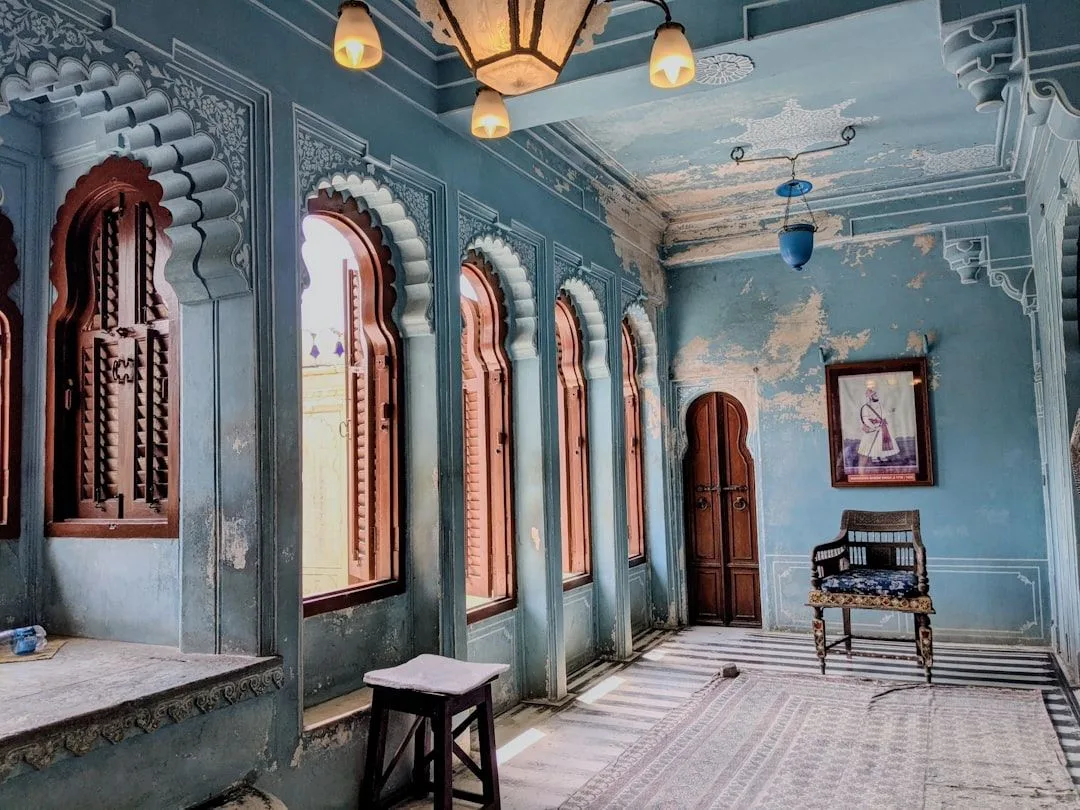
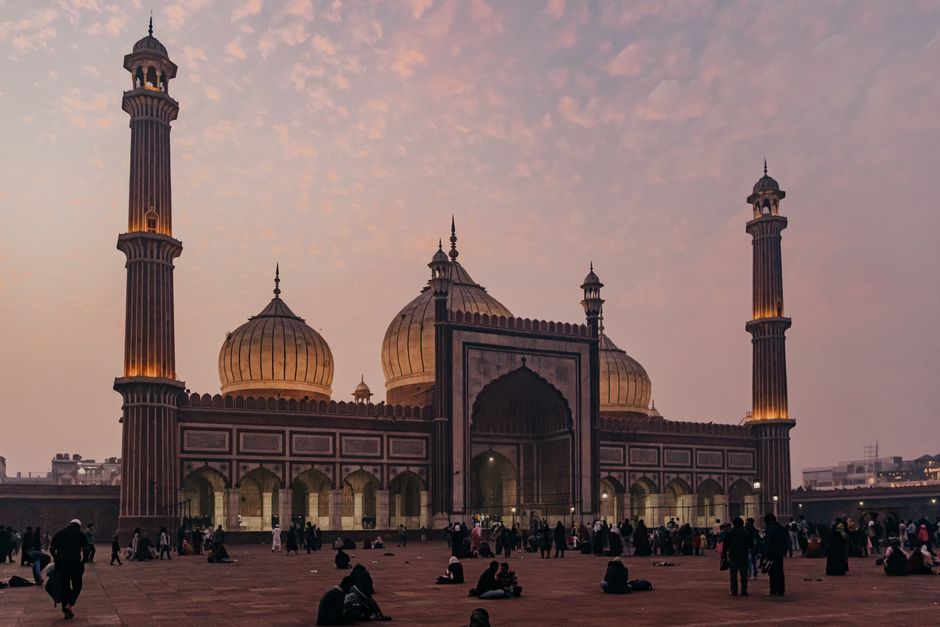
The north — Rajasthan and the golden triangle. Delhi, Agra, Jaipur, Jodhpur, Udaipur, Jaisalmer. Forts, palaces, desert, and the Taj Mahal. Legs are four to seven hours, mostly doable in daylight. The classic first trip.
The south — Kerala and Tamil Nadu. Backwaters, tea plantations in Munnar, beaches at Varkala, the temple cities of Madurai and Thanjavur. Gentler, greener, less intense, and easier weather. The better choice if you are uncertain about India.
The north-east and the Himalaya. Rishikesh, Manali, Ladakh, Darjeeling. Mountains and much cooler. Ladakh is only accessible roughly June to September.
Goa functions as a decompression stop rather than a destination — beaches, cheap rooms, and a lot of other travellers.
The trains, which decide your itinerary
| Class | What it is | Delhi–Jaipur |
|---|---|---|
| 2AC | 2-tier AC, 4 berths, curtains | ~₹1,200 |
| 3AC | 3-tier AC, 6 berths, bedding | ~₹800 |
| Sleeper | Non-AC, open windows | ~₹300 |
| General | Unreserved seating | ~₹120 |
Three rules that catch everyone:
Reservations open 60 days before departure and popular routes sell within hours. If your route includes Delhi–Agra, Delhi–Varanasi or the Kerala coastal line, the 60-day mark is when your itinerary gets fixed.
Waitlist is not a ticket. WL means you are behind cancellations. Low single-digit numbers usually clear; high ones do not, and an unconfirmed waitlist at departure means you cannot board. RAC status gives you a shared berth and is safe.
Use the Foreign Tourist Quota. Many popular trains hold a small block for foreign passport holders. When a train shows as full, the FTQ often is not. Book through IRCTC with passport details or at a designated tourist booking office.
Practical bits: AC carriages run cold, so bring a layer. A padlock and chain to secure a bag under the bunk is standard. Food delivery to your seat at a named station works well and beats pantry-car food.
The first week
Most people have a hard patch around day three. The volume of noise, traffic, crowds and constant approach is genuinely draining, and it is not a sign you have made a mistake.
What helps: book two comfortable nights at the start rather than the cheapest bed. Arrive somewhere smaller than Delhi if you can — flying into Kochi or Jaipur is a much softer landing. Do not schedule anything demanding for the first 48 hours. And expect to be quoted inflated prices constantly; it is not personal and it is negotiable.
Delhi railway station touts are the most persistent scam on the circuit: people in official-looking clothing telling you your train is cancelled or the booking office has moved, then steering you to a travel agent. It is not true. The International Tourist Bureau is upstairs at New Delhi station.
Money and food
₹1,500–2,500 a day covers a clean room, eating well and train travel. Street food and small local restaurants are where the good eating is, and where most travellers eventually relax about hygiene — the practical rule is high turnover and food cooked in front of you.
Carry cash but expect UPI QR payments everywhere; as a foreigner you will mostly be on cash and ATM withdrawals.
Timing
October to March is the season for most of the country: dry and comfortable in the north and south alike. April to June is extremely hot inland — 45°C in Rajasthan — and the only sensible destinations are the Himalaya. The monsoon runs roughly June to September, heaviest in Kerala and the west, and Ladakh's window opens exactly when the rest of the country closes.