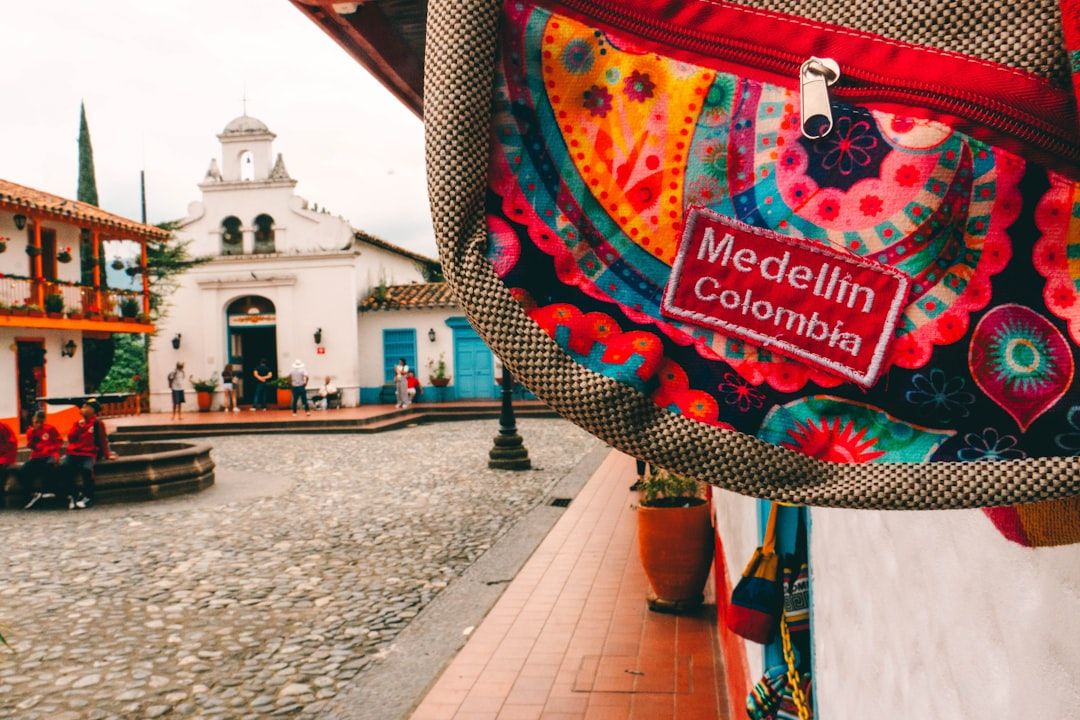
Colombia has changed more than its international reputation has, and the traveller circuit is now well established and busy. The two things that actually shape a trip here are altitude — which varies by two and a half kilometres across a few hours of road — and the fact that safety is genuinely regional rather than national.
The route
Bogotá. At 2,640 metres. Expect a headache and poor sleep on the first night; take day one slowly. La Candelaria for the colonial centre, the Gold Museum, and Monserrate above the city by funicular. Two to three days.
Salento and the coffee region. Seven hours west by bus, or fly to Pereira. Salento is a small painted town, and the Cocora Valley next to it holds wax palms sixty metres tall standing in cloud-forest pasture — the single most striking landscape in the country. Coffee farm tours are genuinely interesting rather than perfunctory. Three days.
Medellín. At 1,500 metres, warm and even year round. The city's transformation is the story: the Metrocable gondolas built as public transport into the hillside barrios, and Comuna 13, once effectively a war zone and now a graffiti tour. El Poblado is the backpacker district and is loud; Laureles is quieter and more local. Three to four days.
Guatapé, two hours from Medellín — a painted town beside a reservoir with a 200-metre granite monolith you climb by 700 steps. Day trip or one night.
Cartagena. North on the Caribbean. A walled colonial city, genuinely beautiful and the most touristed and expensive place in Colombia. Two days is enough; Getsemaní just outside the walls is where to stay.
Santa Marta, Tayrona, Minca. Tayrona national park for jungle meeting Caribbean beach — note it closes for several weeks each year for indigenous rest periods. Minca in the hills above Santa Marta is cooler, cheaper and has better hostels.
The Lost City trek from Santa Marta: four days through jungle to pre-Columbian terraces, hot, muddy and worth it if you are fit.
Safety, specifically
The useful local phrase is no dar papaya — do not hand someone the opportunity. In practice:
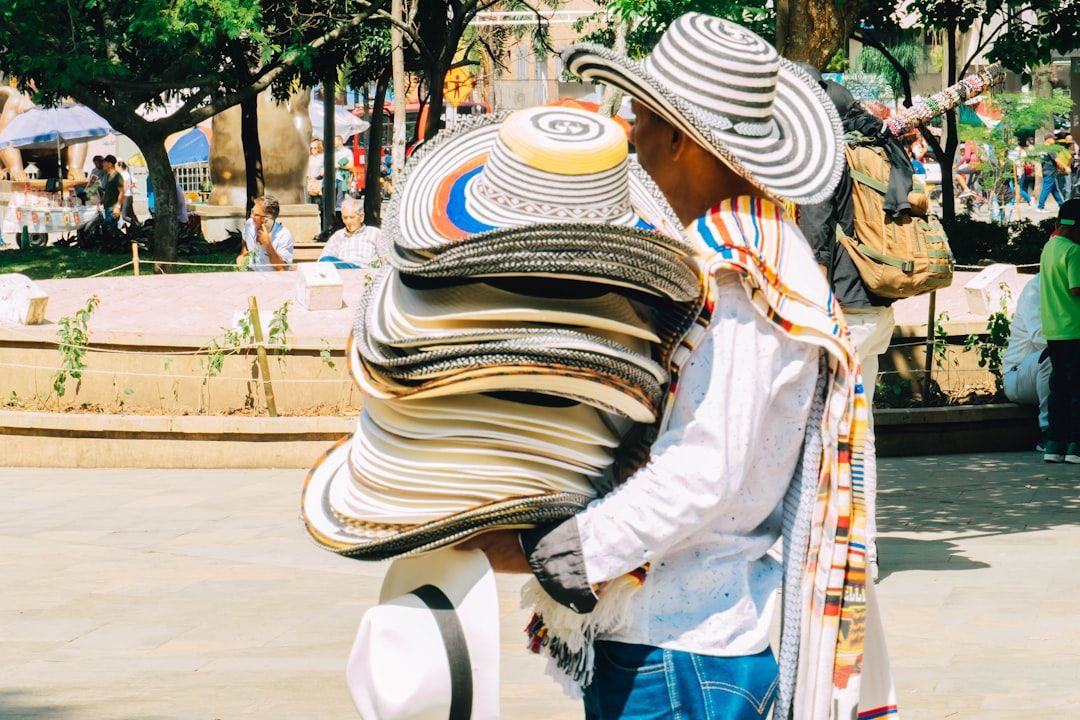
Do not walk with your phone out on the street in Bogotá or Medellín. Take registered taxis or apps at night rather than walking, even short distances. Avoid deserted streets after dark in La Candelaria and central Medellín. And treat drugs as a genuinely bad idea here, both legally and because the surrounding situations are dangerous.
Scopolamine — used to incapacitate and rob people, usually via a spiked drink — is a real if uncommon risk in nightlife districts. Do not accept drinks from strangers.
Beyond that, the circuit above is heavily travelled and hostels are good sources of current local advice. Remote border regions with Venezuela and parts of the Pacific coast remain genuinely unsafe and are not on any normal route.
Money
| Item | Cost |
|---|---|
| Hostel dorm | COP 40–70,000 |
| Private room | COP 90–160,000 |
| Menu del día | COP 12–20,000 |
| Long-distance bus | COP 60–150,000 |
| Domestic flight | COP 120–350,000 |
The menu del día — soup, a main with rice and plantain, and a fresh juice — is the best value meal in South America at three to five dollars. Eat it at lunch, which is the main meal here.
Domestic flights on Avianca, LATAM and Wingo are cheap enough that flying Medellín to Cartagena rather than taking a thirteen-hour mountain bus is usually the right call.
When to go
Colombia sits on the equator, so there is no summer or winter, only wetter and drier. December to March and July to August are the drier windows. April, May, October and November are wetter, which mostly means heavy afternoon rain rather than washed-out days.
Because of the altitude range you are packing for three climates at once: a warm layer for Bogotá, light clothing for Medellín, and heat gear for the coast.