Bolivia is the cheapest country on the continent and the most physically demanding. Almost everything worth seeing sits above 3,000 metres, and how well you handle that single fact determines whether you have a superb three weeks or spend a third of it lying in a hostel with a headache.
Altitude comes first
El Alto, the airport serving La Paz, sits at roughly 4,050 metres. There is no gradual ascent — you step off the plane into air with about 60 percent of the oxygen you are used to.
Plan for it. Give yourself two full days on arrival where the plan is deliberately nothing: no hikes, no Death Road, no night out. Drink far more water than feels necessary, skip alcohol entirely at first, and eat lightly. Coca tea is offered everywhere and helps mildly with symptoms; it is not a substitute for time.
Know the difference between ordinary altitude sickness — headache, nausea, breathlessness, bad sleep — and the serious forms. Confusion, an inability to walk in a straight line, or breathlessness at rest that worsens are signals to descend immediately and get medical help. Descent is the only real treatment, and from La Paz that is straightforward.
If you are coming from sea level and can route through somewhere intermediate first, do it. Arriving overland from Peru via Lake Titicaca gives you a gentler introduction than flying in.
La Paz
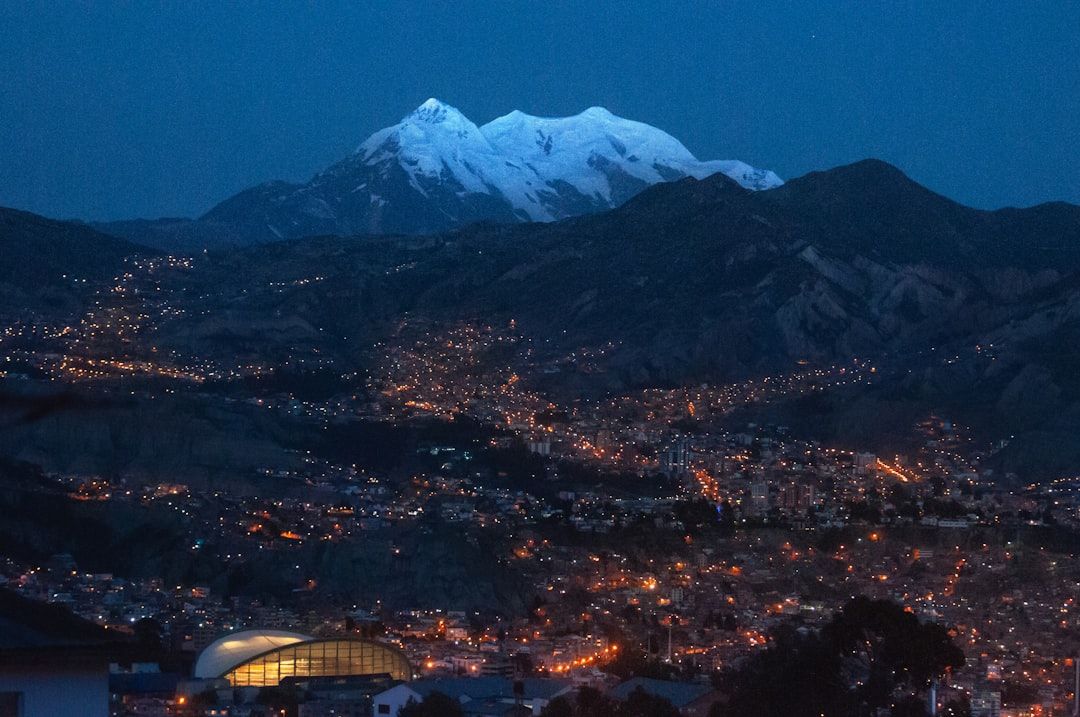
A city built into a canyon, with the wealthy at the bottom where the air is thicker and El Alto sprawling across the rim. The cable car network, the Mi Teleferico, is genuine public transport rather than a tourist ride, it is cheap, and it is the best way to understand the shape of the place.
The witches' market, the San Francisco church, and the walk down into the valley districts are the standard days. Two or three nights is right for most people, plus whatever acclimatisation you need.
The Uyuni salt flats
The reason most people come. The standard tour runs three days and two nights from the town of Uyuni: the salt flat itself, then south through coloured mineral lagoons, flamingo colonies, desert and geyser fields, ending either back in Uyuni or at the Chilean border near San Pedro de Atacama.
Two things to be clear about. Accommodation is basic — salt hotels and simple refuges, shared rooms, limited hot water. And the second night, at around 4,500 metres, is genuinely cold; sub-zero is normal and the buildings are not heated to compensate. Bring or hire a proper sleeping bag and wear layers to bed.
Operator quality varies enormously and this is one of the places where the cheapest option is a false economy. Vehicle condition matters in the remote south, and drinking among drivers has been a documented problem. Ask other travellers in Uyuni who they used, and pay the difference.
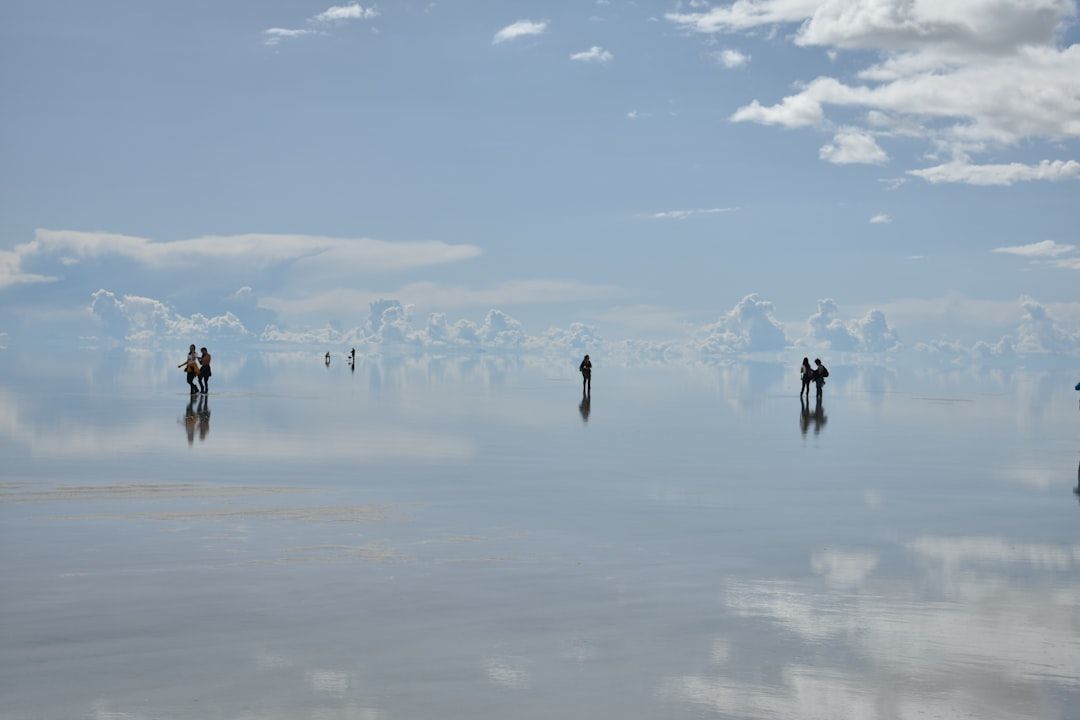
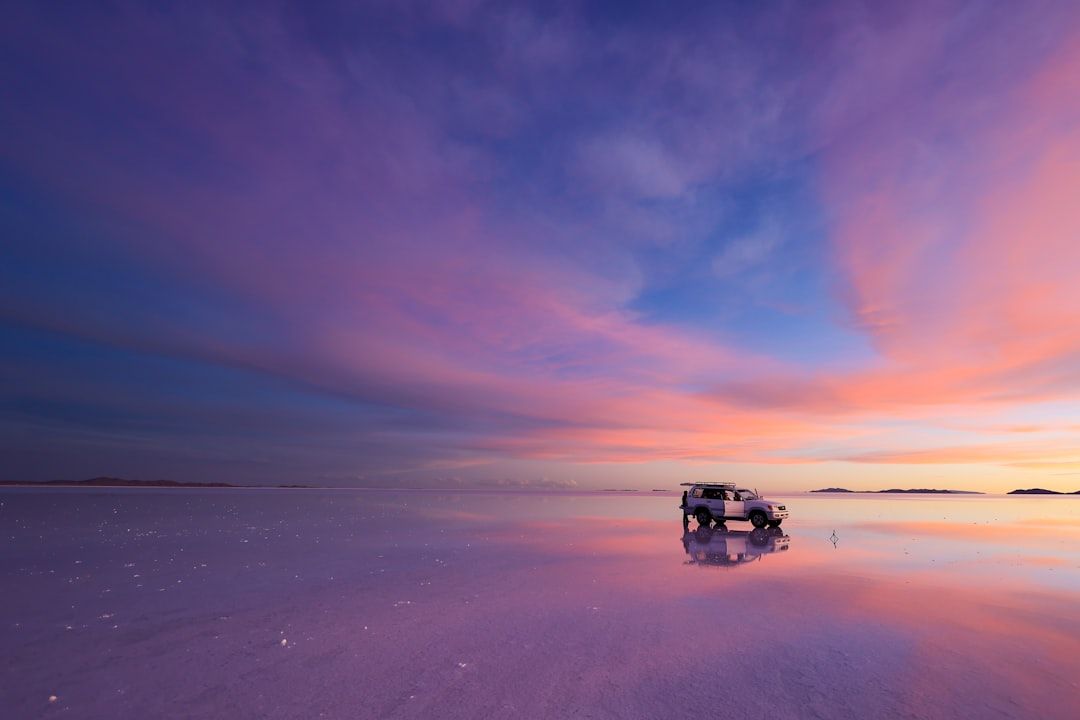
Wet season, roughly December to March, floods the flat into the mirror everyone photographs. Dry season gives you the hexagonal salt polygons and easier driving. Neither is wrong; they are different trips.
Death Road
The old Yungas road from La Paz down toward Coroico, dropping around 3,500 metres from the pass to the jungle. It is now closed to most through traffic and is cycled daily by commercial groups, which has made it far safer than its name suggests — but people are still injured, and occasionally killed, every year.
The variable is entirely the operator. Pay for a company with well maintained full-suspension bikes and, above all, good brakes; a guide who briefs properly and rides with the group; and a support vehicle with a radio. Check that your travel insurance covers it, because many policies exclude this specifically by name.
Lake Titicaca and Copacabana
The Bolivian side of the lake, with Copacabana as the base and Isla del Sol a boat ride offshore. Lower key than the Peruvian side and pleasant for a couple of days. It is also the sensible overland crossing to or from Peru, and doing it in that direction gives your body a better altitude profile than flying into La Paz.
Money and getting around
Bolivia is inexpensive for dorms, markets, local food and buses. The costs that shape a budget are the discretionary big items: Uyuni, Death Road, and Amazon trips out of Rurrenabaque.
Cards are accepted less widely than in neighbouring countries and ATMs outside the main cities can be unreliable, so carry more cash than you would in Peru or Chile and keep small notes — change is a perennial problem.
Buses are cheap and slow, and mountain roads plus night travel is a combination worth thinking about. Where a flight exists on a route like La Paz to Rurrenabaque, it is short, not expensive by international standards, and saves a very long journey.