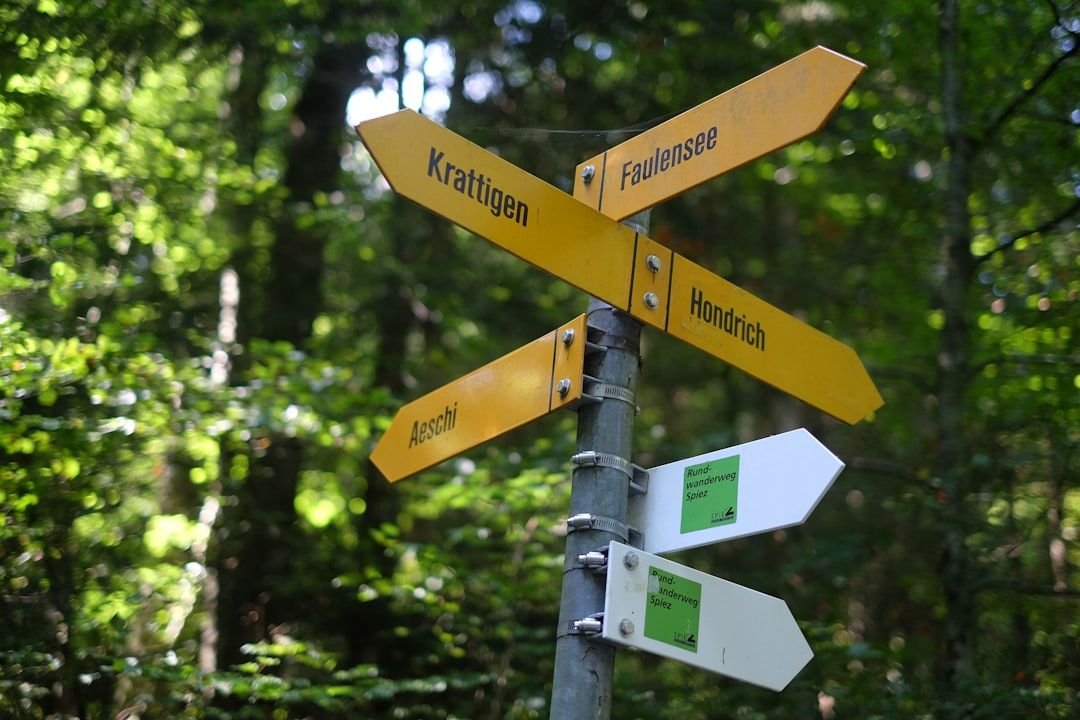
The Southeast Asia loop is well established and the individual countries are easy. What catches people out is the joins — the land borders, where the rules are inconsistently applied and the touts are professional. Here is each one on the standard route.
Thailand → Laos: Chiang Khong / Huay Xai
The most used crossing and the smoothest. From Chiang Rai, a bus to Chiang Khong, then the Friendship Bridge shuttle across the Mekong. Laos issues a visa on arrival for most nationalities: $30–42 depending on passport, in clean US dollars, plus a photo.
From Huay Xai on the Lao side, the slow boat to Luang Prabang takes two days with an overnight in Pakbeng. Buy the boat ticket at the pier rather than through a Thai agent, which typically costs double for the same seat. Bring a cushion — the benches are wooden — and food, since the on-board selection is thin.
The alternative is a minibus over the mountains: faster, cheaper, and a genuinely uncomfortable road. Take the boat.
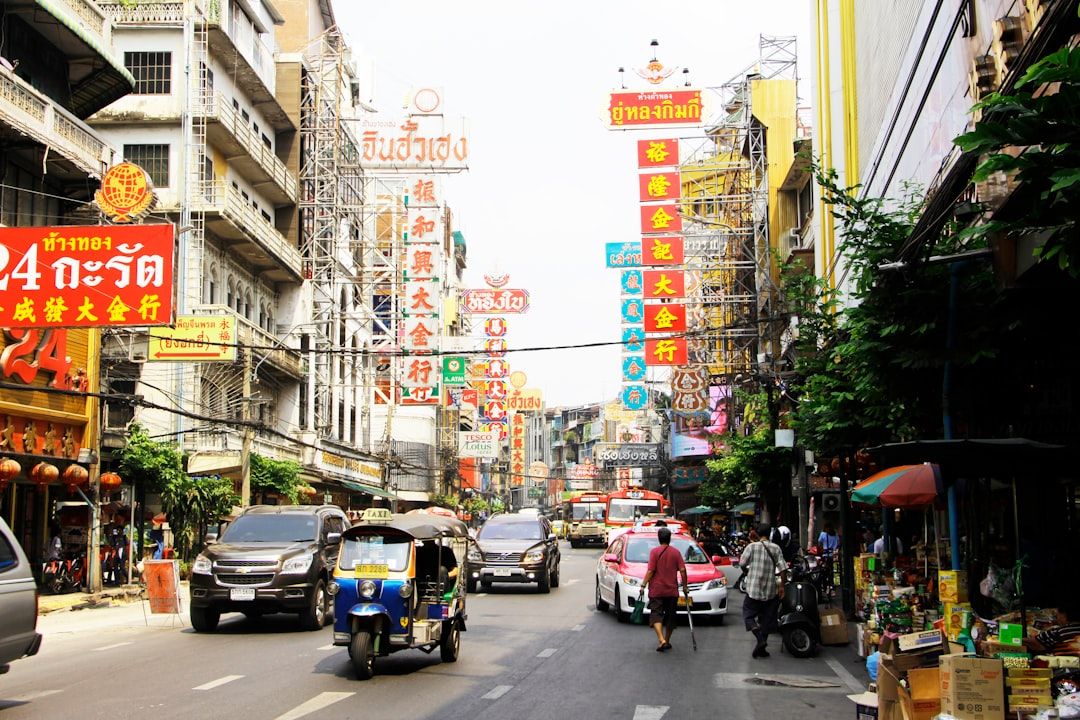
Laos → Vietnam: Nam Phao / Cau Treo, or Nam Can
The awkward one. These crossings are remote, the buses are long, and departure times are approximate.
You must have your Vietnamese e-visa already. Apply online before you leave for the region — a few working days, around $25. There is no reliable visa on arrival for independent travellers at these land borders, and being turned back at a remote mountain crossing is a genuinely bad day.
Many backpackers now skip this leg entirely and fly Luang Prabang or Vientiane to Hanoi for $60–90. Given the bus is 20+ hours, that is a reasonable trade.
Vietnam → Cambodia: Moc Bai / Bavet
Ho Chi Minh City to Phnom Penh, six to seven hours by bus, with several reliable companies running it. The bus stops, everyone gets out, you process through both sides and reboard.
Cambodia issues a visa on arrival: $30 official, cash US dollars, plus a photo. Expect to be asked for $35 or an extra couple of dollars as a "processing fee". This is universal, small, and not worth a confrontation at a border where you want to be back on the bus.
Watch for: people in official-looking shirts offering to "help" with forms for a fee, and fake health or quarantine desks asking for money. Real officials sit behind counters in booths.
The Mekong river route from Chau Doc to Phnom Penh is the nicer alternative — most of a day on the water, formalities handled on the boat.
Cambodia → Thailand: Poipet / Aranyaprathet
The most notorious crossing on the loop, and the one to prepare for.
Coming from Siem Reap, the standard scams are: a "Cambodian consulate" before the border selling visas you do not need when leaving; touts insisting you must change money at a fixed rate; and unofficial "exit fees". None are legitimate. There is no fee to leave Cambodia and no fee for a Thai entry stamp.
On the Thai side, take the government bus or the train from Aranyaprathet to Bangkok rather than the shared taxis waiting at the border.
Cross in the morning. Queues build through the day and the Thai side closes at 10pm.
The general rules
| Crossing | Visa | Difficulty |
|---|---|---|
| Chiang Khong → Huay Xai | Laos VOA $30–42 | Easy |
| Laos → Vietnam | E-visa required in advance | Slow, remote |
| Moc Bai → Bavet | Cambodia VOA $30 | Moderate |
| Poipet → Aranyaprathet | Thai exemption, free | Scam-heavy |
Carry clean US dollars. Torn or marked notes get refused at Cambodian and Lao borders. Bring several passport photos too.
Nothing legitimate is ever collected outside a booth. If someone in a polo shirt wants money on the tarmac, it is not an official fee.
Book the bus, not the "visa package". Agencies selling a combined bus-and-visa deal charge a markup on a visa you can buy yourself in five minutes at the counter.